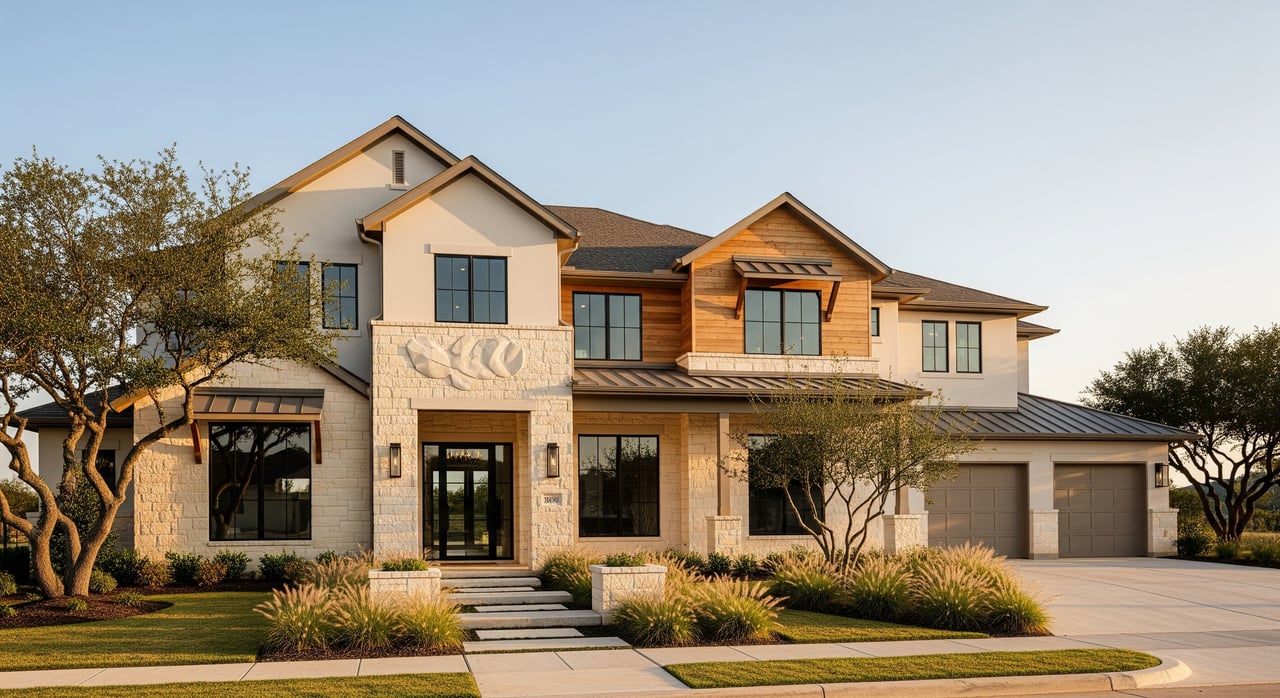
Thinking about building a new home in Prosper but not sure where to start? You’re not alone. With rapid growth in North Texas and lots of master-planned options, the process can feel overwhelming. This guide walks you through each step, from financing and lot selection to inspections, closing, and warranties. You’ll learn what to watch, who to call, and how to keep your budget and timeline on track. Let’s dive in.
Why build new in Prosper
Prosper is a fast-growing North Texas suburb within the Dallas–Plano–Irving metro. That growth has brought a wide range of communities, floor plans, and builders. Many neighborhoods are master planned with amenities and homeowners associations.
Local details matter here. Some subdivisions use special taxing entities like Municipal Utility Districts, and North Texas clay soil can affect foundations over time. Understanding these items early helps you set the right budget and maintain your home well.
Step 1: Get prepared
Start with your numbers and your team. A little planning now saves stress later.
Set your budget
- Include the base home price, lot premium, options and upgrades, and change-order fees.
- Plan for closing costs, moving costs, and possible interim interest if you use a construction loan.
- Add recurring items like property taxes, HOA dues, and any MUD assessments.
Get pre-approved
- Decide if you need a standard mortgage for a completed home or a construction-to-permanent loan.
- Compare lenders on interest rates, fees, and rate lock options.
- If a builder offers lender incentives, review the total cost to make a fair comparison.
Choose a local agent
- Work with a buyer’s agent who handles new construction in Prosper and Collin County.
- Your agent can explain builder contracts, evaluate incentives, and attend key meetings.
- Ask your agent to help line up a third-party inspector now so you hit every build milestone.
Step 2: Research builders and communities
Tour model homes and compare communities, but go in with a plan.
Types of new-home options
- Spec or model homes: already built or nearly complete, fastest move-in.
- Quick move-in homes: partially built with limited changes allowed.
- Build-to-order or semi-custom: you choose plan, options, and many finishes.
- Fully custom on your lot: highest control and longest timeline.
What to evaluate
- Reputation and warranty response: ask about past build quality and how repairs are handled.
- Standard inclusions: know what comes included versus what is an upgrade.
- HOA and CC&Rs: review rules, fees, and amenity details.
- Lot placement: check drainage, sun exposure, street noise, and proximity to amenities.
Step 3: Secure your lot and contract
When you find the right fit, slow down and read everything before you sign.
Contract basics to review
- Base price, lot premium, included features, and any allowances for options.
- Timeline estimates, change-order rules, and termination or earnest-money terms.
- Dispute resolution procedures and warranty provisions.
Money up front
- Builders often require a reservation or earnest-money deposit to hold a lot or home.
- Refund terms vary by builder and by construction stage, so get them in writing.
Documents to request before signing
- Sales contract and addenda.
- Itemized inclusions and exclusions.
- Lot plat and survey with easements and setbacks.
- HOA bylaws, budget, fee schedule, and recent meeting minutes.
- Warranty booklet and claims process.
- Any MUD or special tax documentation.
Step 4: Make design selections
Design is exciting, but deadlines are strict and costs add up quickly.
How to navigate the design center
- Confirm selection deadlines and change-order cutoff dates.
- Keep a running budget and ask for firm prices in writing.
- Understand allowances and how overages are billed.
Smart upgrade strategy
- Prioritize structural or hard-to-change items first, like electrical, plumbing, and layout.
- Choose finishes that fit your budget and your long-term plans.
- Ask about lead times that could delay the build if you choose certain options.
Step 5: Track construction milestones and inspections
Stay engaged from groundbreaking to final walk-through. Independent inspections protect your investment.
Typical construction milestones
- Groundbreaking and lot prep.
- Foundation and slab pour. Confirm termite pretreat and keep foundation reports.
- Framing. This is a good time for a structural review.
- Mechanical rough-in for electrical, plumbing, and HVAC.
- Insulation and drywall.
- Interior finishes like cabinets, flooring, and paint.
- Final punch list and pre-closing walk-through.
- Certificate of Occupancy and closing.
Recommended inspections
- Hire an independent inspector for a pre-drywall inspection and a final inspection.
- For clay-soil concerns, consider a foundation specialist or structural engineer if needed.
- Use inspectors who know new construction and local soil and foundation issues.
Step 6: Close and move in
A smooth closing starts with clear communication and a thorough final walk.
Closing logistics
- The title company or builder’s closer prepares the documents. Confirm who pays which costs per the contract.
- Confirm that a Certificate of Occupancy, or temporary certificate if allowed, is issued before move-in.
Final walk-through and punch list
- Create a detailed punch list of items to address before or shortly after closing.
- Ask for the builder’s timeline and process to complete items.
Utilities and extras
- Confirm who handles utility setup and the timing for transfers.
- Clarify responsibility and timing for landscaping, mailbox setup, fencing, and amenity access.
Step 7: Warranties and maintenance
Know what is covered and how to submit claims.
Typical builder warranty
- Many builders offer a written warranty that separates workmanship and structural coverage.
- One year of workmanship coverage is common, with longer structural coverage, often around 10 years. Confirm your specific terms in the contract.
How to file claims
- Document issues with photos and dates and submit requests in writing per the builder’s process.
- Keep copies of all communications and repair records.
Preventive maintenance in North Texas
- Manage drainage and gutters to protect the foundation.
- Maintain HVAC systems with regular filter changes and service.
- Inspect exterior caulking and paint to keep water out and surfaces protected.
Financing, taxes, and incentives in Prosper
Run the numbers before you fall in love with a floor plan. Small choices can change your monthly payment.
Mortgage paths
- Standard mortgage: common for spec and completed homes.
- Construction-to-permanent loan: one close that converts to a mortgage at completion.
- Two-close approach: a construction loan with interest-only payments, then a separate mortgage.
- Builder-preferred lenders: may offer credits or rate buydowns. Compare rates, fees, and any prepayment penalties.
What to budget
- Base price and lot premium.
- Options, upgrades, and any overages beyond allowances.
- Change-order costs for plan changes after selections.
- Closing costs, title fees, and lender fees.
- Interim interest during construction for construction loans.
- Property taxes, HOA dues, and any MUD assessments.
Property taxes, MUDs, and HOA dues
- New homes are assessed by the county appraisal district after completion, which can change your first-year tax bill.
- Some Prosper-area subdivisions use Municipal Utility Districts that add a separate tax line item.
- Confirm estimated annual taxes and how taxes are prorated at closing, and review HOA dues and any initiation fees.
Incentives and tradeoffs
- Builders may offer closing cost help, lender credits, or upgrades.
- Incentives may be tied to using a preferred lender or limit flexibility on price or options.
- Compare the full cost, not just the headline incentive.
Due diligence checklist for Prosper buyers
Use this list to stay organized from offer to close.
Documents to obtain
- Sales contract and all addenda.
- Included features list and exclusions.
- Lot plat, survey, and any easements or setbacks.
- CC&Rs, HOA bylaws, budget, and fee schedule.
- Builder warranty booklet and claim steps.
- Energy-efficiency or code documentation.
- Any MUD or special tax documents.
- Certificate of Occupancy or planned issuance date.
- Any third-party inspection reports and building permits.
People and agencies to contact
- Builder sales representative and construction manager.
- Your buyer’s agent with new construction experience.
- A local mortgage lender familiar with Prosper builds.
- An independent home inspector who knows North Texas foundations.
- Title company for closing and title review.
- City of Prosper planning and permitting for permit status.
- Collin County Appraisal District, or Denton County if applicable, for tax questions.
- HOA management for rules and amenity access steps.
Key questions to ask the builder
- What is included in the base price and what are typical upgrade costs?
- What is the expected build timeline and what can delay it?
- Who handles utility hookups, sidewalks, and fencing?
- How long is the warranty and how are requests handled?
- Are there any current or planned assessments, MUDs, or special tax districts?
- Can I use my own lender, and what are the details if I choose the preferred lender?
Timeline and expectations
Most new builds in Prosper take about 3 to 9 months, depending on plan, weather, and selections. Spec or quick move-in homes can be ready in weeks if construction is complete. Fully custom homes usually take longer, so plan your housing timeline with a buffer.
Resale considerations for new homes
Think about future resale while you build. Choose a lot with attention to drainage, orientation, and nearby road noise. Keep your selections cohesive and within neighborhood norms so your home appeals to a wider buyer pool later. Maintain your warranty records and service history to support value when you sell.
Ready to start your Prosper new construction journey with local guidance and hands-on support? Connect with the neighborhood-focused team at Baker Realty Group to plan your budget, compare builders, and coordinate every step from lot to closing. Schedule a Free Consultation.
FAQs
How long does new construction take in Prosper?
- Spec or quick move-in homes can be ready in weeks, while typical builds range from 3 to 9 months depending on the builder, weather, and customization. Fully custom homes take longer.
Can you negotiate with builders on price and incentives?
- Yes. Builders often negotiate on inventory or quick move-in homes. You may secure closing cost help, upgrades, or a lot premium adjustment. Compare total cost, not just the incentive.
Should you hire an independent inspector for a new home?
- Yes. Third-party inspections at pre-drywall and final stages are strongly recommended. Choose inspectors familiar with new construction and local clay-soil foundation issues.
What if construction is delayed on your Prosper home?
- Review your contract for delay provisions and communication steps. Ask the builder about causes, revised timelines, and any remedies outlined in the agreement.
How do builder warranties usually work on new homes?
- Most builders provide a written warranty with shorter workmanship coverage and longer structural coverage. Read the warranty, follow the claim process, and keep records and photos.
Do builders pay closing costs on new construction?
- Builders often offer closing cost assistance or lender credits. These may be tied to preferred lenders, so compare total loan terms and fees before you decide.