Are extra rooms and weekend yard work starting to feel like more than you need? If you’re an empty‑nester in Plano, right‑sizing can unlock equity, simplify your lifestyle, and keep you close to the people and places you love. You might be wondering what to fix before you list, how much you’ll net, and where to move next without stress. This guide gives you clear local numbers, smart prep tips, and coordination options so you can move with confidence. Let’s dive in.
Plano market at a glance
Recent city snapshots show Plano’s typical home value around the high $400s. Zillow’s city index is near 491,700, while MLS-based reports like Redfin show a median sale price around 473,000. Median time on market varies by source, from about 49 days to the 60s. Collin County as a whole often shows a higher median list price and longer days on market than Plano proper, so your neighborhood may behave differently.
Seasonality still matters locally, with spring frequently drawing more buyer demand. Neighborhoods near major employers and amenities can carry price premiums. Because conditions move quickly, ask for a current neighborhood CMA and a tailored pricing plan the week you’re ready to list. Local archives can also help you see year‑over‑year trends in one place via resources like the Plano market data archive at Haistings RE.
What you’ll net when you sell
Estimate net proceeds
Most sellers budget for combined listing and buyer‑agent commissions in the 5 to 6 percent range, plus typical closing costs of roughly 2 to 3 percent. Exact fees vary by market and negotiation. For planning, a simple example helps.
- Example on a $500,000 sale: 5.5 percent commissions ≈ $27,500. Typical seller closing costs at 2.5 percent ≈ $12,500. That totals about $40,000 before your mortgage payoff and any repair credits. Your agent can prepare a custom net sheet so you see your bottom line. These estimates reflect national averages summarized by List With Clever.
With a clear net number in hand, you can plan how to apply your equity: larger down payment on your next home, paying off debt, funding updates, or investing.
Taxes to know in Texas and Collin County
- Federal capital gains exclusion: If the home is your primary residence and you meet the 2‑out‑of‑5‑year ownership and use tests, you may exclude up to $250,000 of gain if single or $500,000 if married filing jointly. Review details and exceptions in IRS Publication 523 and confirm with a tax professional.
- No state income tax: Texas does not tax personal income, which means no state‑level capital gains tax. See the state’s ranking context in the Tax Foundation’s index.
- Collin County homestead and Over‑65: If you claim a residence homestead, you may also qualify for Over‑65 benefits that can include tax‑ceiling protections. Filing rules, deadlines, and forms are managed by the Collin Central Appraisal District. Start with CCAD’s homestead FAQs.
- Tax proration and escrow at closing: In North Texas, property taxes are prorated through the closing date and title companies often use last year’s bill if the current bill isn’t issued yet. Learn how escrows are seeded and adjusted in this local explainer on how tax escrows work at Plano closings.
Use your equity to buy first
If you want to secure your next home before you sell, you have options:
- Bridge loan: Short‑term financing to cover your down payment while your current home sells. Fees and rates are often higher, and underwriting can be strict.
- HELOC or home‑equity loan: Tap your equity with either a flexible line (variable rate) or fixed installment loan. You’ll carry two payments until you sell.
- Cash‑out refinance: One new mortgage with a lump sum of equity. Closing costs apply and the term resets.
Compare costs and timelines with your lender. For a clear overview of bridge loans and how they stack up, see Bankrate’s guide. You can also write a purchase offer with a home‑sale contingency, though sellers in competitive areas may prefer offers without it.
Where to move in or near Plano
Smaller single‑story homes
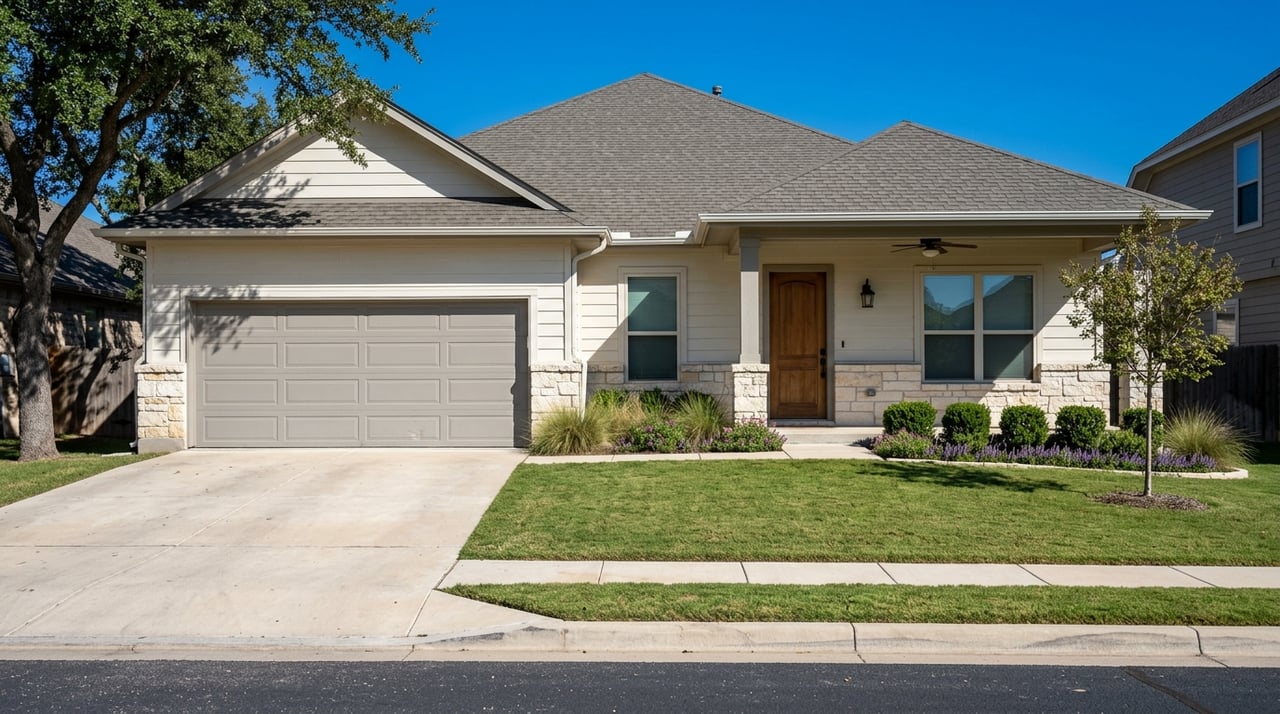
Single‑level living reduces stairs and often cuts yard work. You keep the familiar fee‑simple ownership model and can target smaller lots to lower maintenance. Many established Plano neighborhoods include single‑story options within easy reach of shopping and dining.
Townhomes and condos
These often trade private yard space for lower exterior maintenance. HOAs typically handle roofs, common areas, and amenities. Fees vary widely by community and services included. Ask for budgets, reserve studies, rules, and recent meeting minutes to understand long‑term costs and restrictions.
55+ and independent living
Age‑restricted communities offer social programming and low‑maintenance living. In and near Plano, examples include the gated 55+ Village at Prestonwood. Explore amenities and community details at the Village at Prestonwood site. Independent senior‑living apartments, such as options near Collin Creek, may include meals, transportation, and activities, which differ from assisted living.
Location and lifestyle checks
Look for proximity to healthcare, retail, and major corridors. Plano has strong access to hospitals like Medical City Plano, plus shopping and dining near Legacy West, Central Market, and Trader Joe’s. If budget is a priority, compare what your price point buys in nearby Collin County towns like parts of McKinney, Anna, or Princeton.
Here is a quick checklist to focus your search:
- Single‑level or primary bedroom on main
- Low‑maintenance yard or HOA‑maintained exterior
- Walkability to groceries, parks, and everyday services
- Proximity to primary care and specialists
- HOA rules that fit your lifestyle and pets
- Easy access to George Bush Turnpike or Dallas North Tollway
Prep your home for top dollar
Quick, high‑impact wins
Start with decluttering, a deep clean, and fresh neutral paint. Boost curb appeal with trimmed shrubs, fresh mulch, and a welcoming front door. Simple repairs and professional staging help your photos shine and can improve showings. For seller‑proven tips, see this summary of practical prep strategies.
Consider a pre‑listing inspection to uncover issues early. Address what is reasonable and disclose the rest. This can reduce surprises during negotiations.
Smart updates with solid ROI
Focus on midrange improvements that buyers expect in Plano: minor kitchen refreshes, updated lighting, and midrange bath updates. Curb‑appeal projects like a new garage or entry door often deliver strong resale recovery. See the NAR remodeling guidance for projects with consistently better returns.
If you plan to age in place before selling, consider thoughtful accessibility upgrades like lever handles, brighter lighting, and a low‑entry shower. The Seniors Real Estate Specialist program highlights these as value‑adds for many buyers; learn more via SRES resources.
A practical prep timeline
Most downsizers should allow 2 to 6 weeks for decluttering, small repairs, painting, and staging before photos and listing. If you need to move fast, prioritize the quick wins above and skip major renovations. See a step‑by‑step overview of prep and listing timelines in this home‑selling guide.
Timing and coordination
From first prep day to closing, plan on a few months. National averages suggest about 113 days to sell, including prep time, and roughly 35 days to close after you go under contract. Actual days on market in Plano vary by neighborhood and season, so confirm your likely window with a fresh CMA.
When to sell first vs buy first
- Sell first
- Pros: Simpler financing, no bridge loan, you know your exact proceeds.
- Cons: You may need temporary housing or storage if your next home isn’t ready.
- Buy first
- Pros: More control over timing and selection of your next place.
- Cons: Requires a bridge loan, HELOC, or cash‑out refi; higher carrying costs and complexity. Compare options in Bankrate’s bridge loan guide.
- Home‑sale contingency
- Pros: Protects you if your current home doesn’t sell.
- Cons: Often less attractive to sellers in competitive areas; you may need shorter contingency windows or a kick‑out clause. Your agent can advise based on current conditions.
Small, fast updates that pay off in Plano
- Fresh neutral paint in main living areas
- Lighting swaps and updated hardware
- Minor kitchen refresh: faucet, backsplash, counters if dated
- Midrange bath tune‑ups: vanity, mirror, fixtures
- Curb appeal: mulch, hedges, front door polish
These align with projects that consistently show better resale recovery in NAR’s remodeling guidance. Pair them with the staging and prep tips summarized by List With Clever.
Consider a rent‑back
If you need a few extra weeks to move, you can negotiate a short post‑closing occupancy agreement. Terms should be clear in writing, including daily rate, deposit, and move‑out date. You can find an overview of how rent‑back fits within typical contract contingencies in this contingencies explainer.
A simple downsizing checklist
- 6+ weeks before listing
- Order a neighborhood CMA and pricing plan.
- Create an inventory of what to keep, donate, and sell.
- Request payoff statements for your mortgage and any liens.
- 4–2 weeks before listing
- Complete light repairs and neutral paint.
- Stage and schedule professional photography.
- Decide on timing preferences, including possible rent‑back.
- When under contract
- Book movers and confirm utility transfer dates.
- Review your closing statement and tax proration with the title company. See this local overview of tax escrows and prorations.
- If you’re buying in Collin County, download and prepare your homestead exemption forms so you can file after closing.
Ready to right‑size?
If you want a clear plan to prep, price, and coordinate your move, you do not have to do it alone. Our team will build your CMA, map your net proceeds, and help you compare single‑story homes, townhomes, and 55+ options that fit your lifestyle. Let’s make your next move simple and smart. Schedule your consult with Baker Realty Group.
FAQs
How is the Plano market for empty‑nesters right now?
- Recent city snapshots place typical values in the high $400s with days on market ranging from about 49 days to the 60s. Your neighborhood may differ, so ask for a current CMA before you list.
What closing costs should I expect when selling in Plano?
- Plan for 5 to 6 percent in commissions plus about 2 to 3 percent in other seller costs, then subtract your mortgage payoff and any repair credits for a rough net estimate.
Do I owe capital gains tax when I sell my Plano home?
- If you meet the IRS primary residence tests, you may exclude up to $250,000 (single) or $500,000 (married filing jointly) of gain; confirm details in IRS Publication 523 and with your tax advisor.
Are there property tax benefits for owners over 65 in Collin County?
- Yes. Over‑65 exemptions and tax‑ceiling protections may apply to your residence homestead; review filing rules, deadlines, and forms on CCAD’s homestead FAQs.
What’s the best way to buy my next home before I sell?
- Consider a bridge loan, HELOC, or cash‑out refinance, or use a home‑sale contingency if the market allows; compare costs and timelines using Bankrate’s bridge loan overview.
Which updates add the most value before listing?
- Focus on decluttering, paint, curb appeal, minor kitchen refreshes, lighting, and midrange bath updates; see project ROI trends in NAR’s remodeling guidance.