Imagine waking up to wide‑open water views and being minutes from a boat launch. Buying near Lewisville Lake in The Colony can deliver that lifestyle, but it also comes with details you should understand before you write an offer. You want clarity on pricing, flood maps, dock rules, and daily access so you can buy with confidence. This guide walks you through the essentials, with practical steps and local context to help you decide if a near‑lake home is right for you. Let’s dive in.
Lewisville Lake at a glance
Lewisville Lake is a US Army Corps of Engineers project managed for flood risk, water supply, and recreation. At normal pool, it spans about 29,592 acres and roughly 187 miles of shoreline. The Corps’ master plan and shoreline program shape what can happen around the lake. You can review the governing documents on the Corps’ official Lewisville Lake master plan page for current classifications and policies: USACE Lewisville Lake Master Plan.
These federal rules work alongside city permits. That means your lake experience depends not only on the property you choose, but also on how federal and local permissions fit together.
What “near the lake” means in The Colony
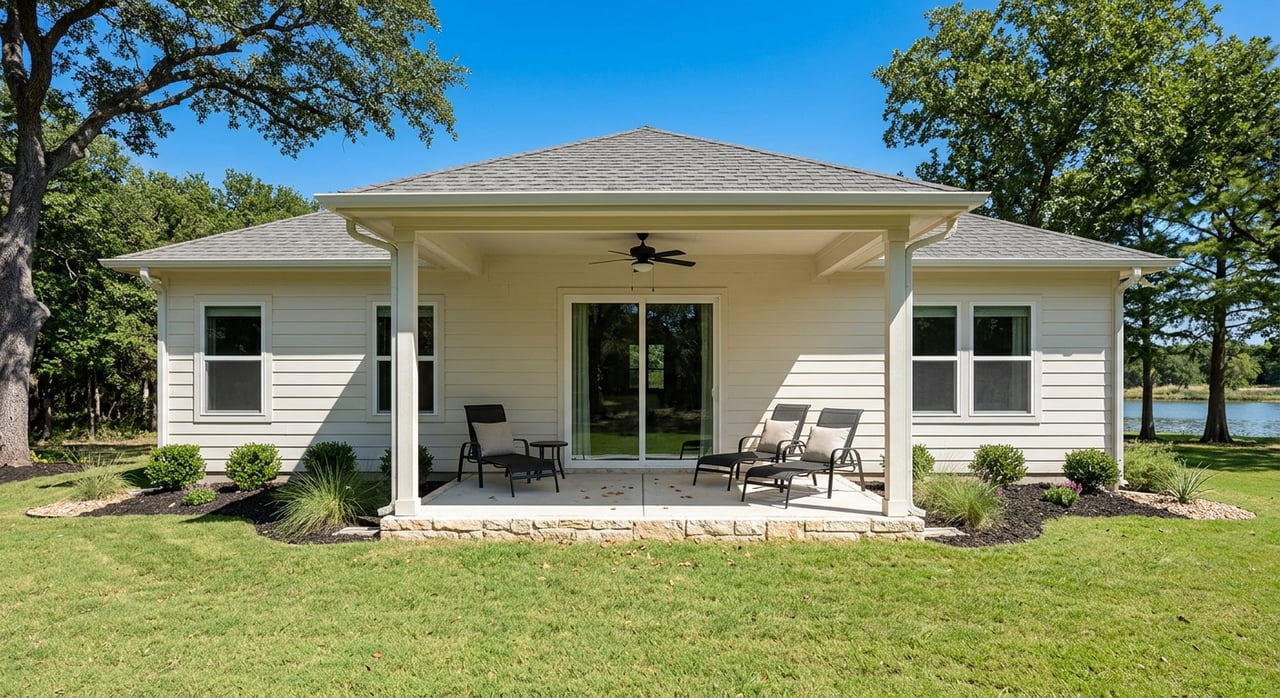
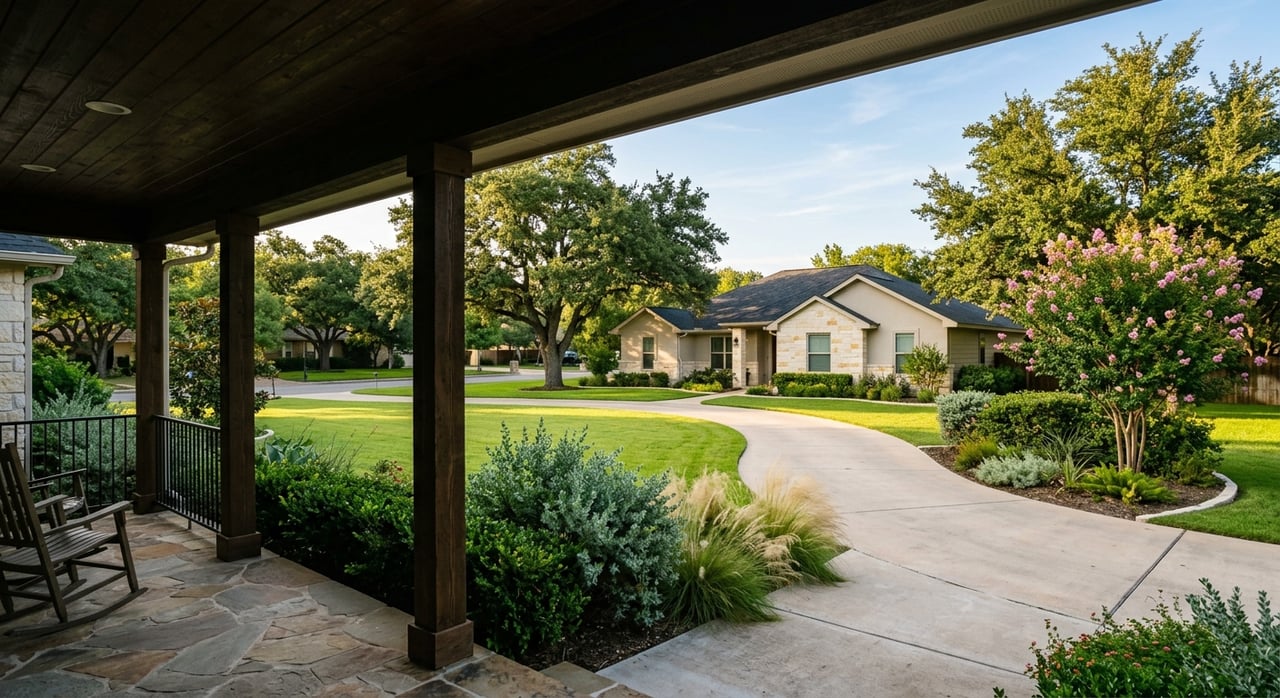
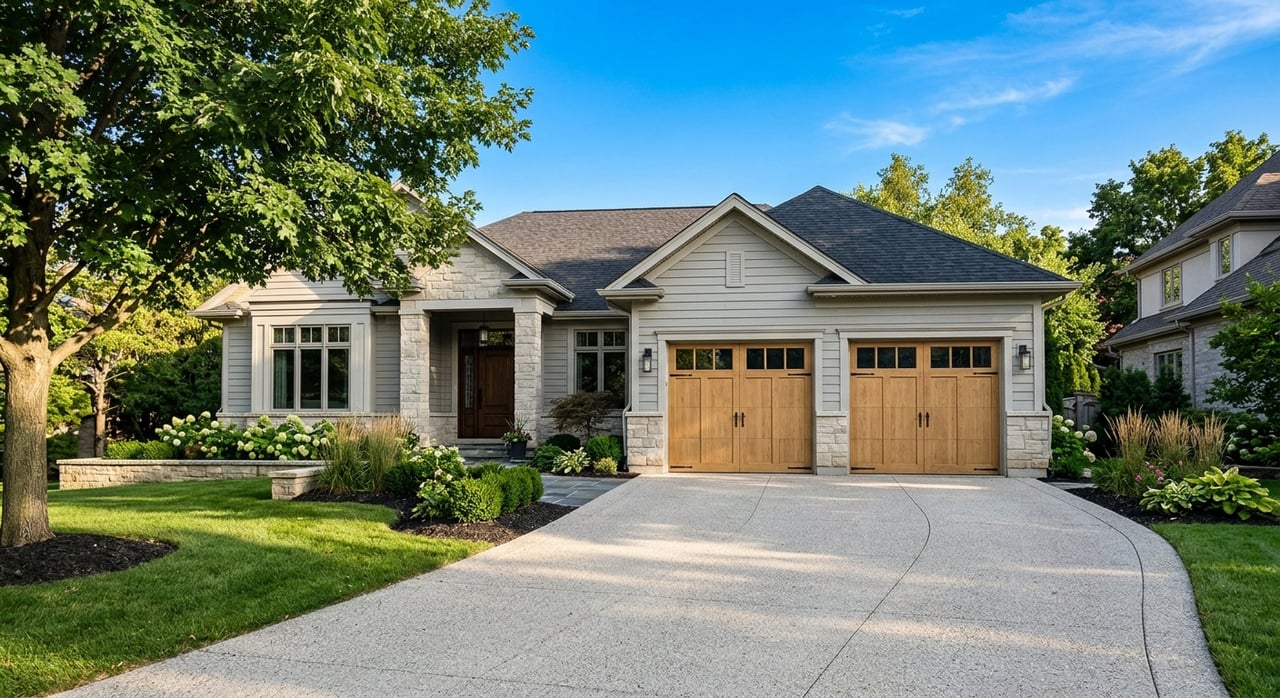
Homes close to Lewisville Lake in The Colony range from mid‑century ranch homes to two‑story suburban plans, with some golf‑course and peninsula properties and a handful of newer townhomes marketed for views. Stewart Peninsula is a good example of a lake‑oriented neighborhood with homes positioned for water and golf access.
Pricing reflects those location advantages. Zillow’s home value index shows The Colony’s typical value around $396,049, with higher averages in lake‑oriented areas like Stewart Peninsula near $490,529. That local gap is a helpful indicator that adjacency and views can carry a premium within the same city. When you evaluate a listing, focus on neighborhood and even street‑level comps, since view, access, and lot position often drive price as much as square footage.
Price premiums and comps
Academic research finds water‑amenity premiums vary widely by exact setting, water quality, and whether a home has frontage, a view, or simply nearby access. A literature review notes that premiums can range from modest percentages to 50 percent or more in high‑amenity cases, but warns against using a one‑size‑fits‑all number. For the best read on value, pair that insight with local data and recent sales on the same side of the street as your target home. You can scan the research overview here: Hedonic literature review on lake premiums.
Flood maps and insurance basics
If you are buying near the shoreline, flood mapping should be part of your early homework. Start with FEMA’s Flood Map Service Center to pull a FIRMette for the exact address and review whether any part of the lot sits in a Special Flood Hazard Area, such as Zone AE or VE: FEMA Flood Map Service Center.
If a structure is in an SFHA and you use a federally regulated lender or your loan will be securitized, lenders typically require flood insurance. Premiums are now priced using FEMA’s Risk Rating 2.0, which considers your property’s elevation, distance to water, structure characteristics, and claim history. That means two neighboring homes can receive very different quotes. A nonpartisan summary of these rules is available here: Congressional Research Service overview.
At the local level, The Colony administers floodplain permits and keeps relevant ordinances and forms. Ask for any Elevation Certificates, prior floodplain permits, and known flood claims during your option period. You can find city floodplain resources here: City of The Colony Floodplain Management.
Docks, shoreline use, and access
Owning near a lake does not automatically grant private dock rights. Lewisville Lake’s shoreline and lakebed are federally managed. The Corps’ Shoreline Management Plan sets the rules for private docks, vegetation work, and other shoreline uses, often in coordination with city permitting and HOA rules. Before you assume any dock or shoreline privilege, confirm recorded easements, existing permits, and maintenance responsibilities: USACE Shoreline Management Plan.
Even without a private dock, boating is accessible through multiple public facilities. USACE lists area marinas that offer wet slips, fuel, and services, including Eagle Point, Hidden Cove, Lakeview, Cottonwood Creek, and Pier 121. Review options and services here: Lewisville Lake marinas.
For day use in The Colony, the city operates Stewart Creek Park with a fishing pier, courtesy dock, and seasonal water‑sports rentals. Park facilities can close temporarily during high water, so it pays to check current notices before planning activities: Stewart Creek Park updates.
Key tradeoffs to weigh
- Lifestyle vs cost. You may pay more for direct adjacency or unobstructed views, and you may face higher upkeep for shoreline features or docks. Research suggests premiums vary by context, so rely on hyper‑local comps rather than national rules of thumb.
- Insurance and permitting. Flood insurance may be required for some properties, and city or USACE permits can shape what you can add or change near the shore.
- Water levels and operations. Lake operations can affect access, with occasional closures of parks or courtesy docks during high water.
- Convenience and noise. Access to marinas and parks is a perk, but seasonal traffic and weekend activity can raise noise levels in some pockets.
Buyer due diligence checklist
Use this quick list to organize your near‑lake purchase:
- Run the address on FEMA’s site and download a property FIRMette. Note SFHA status and panel: FEMA Flood Map Service Center.
- Ask the seller for any Elevation Certificate and flood‑insurance claim history. If none exist, consider ordering an elevation survey. Find local contacts here: City floodplain resources.
- Get early flood‑insurance quotes. Ask for both NFIP and private options. Risk Rating 2.0 makes property‑specific quotes essential. A policy outside the SFHA can still be a smart safety net depending on your risk tolerance.
- Confirm dock and shoreline rights in writing. Request recorded easements, USACE or city permits, leases for any slips, and HOA rules: USACE Shoreline Management Plan.
- Map your boating and recreation plan. Compare distance to marinas, ramps, and Stewart Creek Park. See marina options here: Lewisville Lake marinas and park info here: Stewart Creek Park.
- Verify utilities and sewer connection with the city. Do not assume a lake‑area property is on septic.
- Use hyper‑local comps. Ask for recent comparable sales with the same level of adjacency or view, ideally on the same side of the street.
How to shop smart in The Colony
- Time your visits. Tour on a weekday and a weekend to gauge traffic, park activity, and noise. If possible, visit during different lake levels to understand sightlines and access.
- Stand where you will live. Walk the backyard and street edge to assess the actual view corridor, sun exposure, and any vegetation that might affect privacy or maintenance.
- Read the documents closely. Permits, easements, and HOA rules tell you what you can do with docks, fences, or shoreline vegetation. Ask for copies early.
- Line up your insurance pro. Get a preliminary flood quote as soon as you are serious about a property. Use any Elevation Certificate to refine pricing.
- Keep resale in mind. Near‑lake homes can attract strong demand, but buyer preferences vary. Document lake‑access perks, keep maintenance up, and preserve view corridors where allowed to support long‑term value.
Ready to start your lake search?
Buying near Lewisville Lake rewards careful homework. With the right address, you can enjoy quick access to marinas and parks, great views, and a daily connection to the water. When you are ready, connect with a local team that understands flood maps, shoreline rules, and neighborhood‑level pricing so you can move forward with confidence. If you would like help evaluating specific homes near the lake in The Colony, reach out to Baker Realty Group to Schedule a Free Consultation.
FAQs
Will my lender require flood insurance near Lewisville Lake?
- If any structure is in a FEMA Special Flood Hazard Area and your mortgage is from a federally regulated lender or will be securitized, lenders typically require flood insurance; verify status with a FIRMette from FEMA and ask your lender to confirm.
Can I build or keep a private dock on Lewisville Lake in The Colony?
- Private dock rights are not automatic and depend on USACE shoreline policies, recorded easements, city permits, and any HOA rules; always verify permissions and maintenance obligations in writing with the USACE Shoreline Management Plan as your reference.
Where can I keep a boat if my home has no dock?
- Several marinas on Lewisville Lake offer wet slips, fuel, and services, and The Colony’s Stewart Creek Park provides public access; compare marina offerings and park conditions before you buy.
How much more do lake‑view homes cost in The Colony?
- Local data shows higher typical values in lake‑oriented neighborhoods versus the citywide average, but premiums vary by exact view, frontage, and access; rely on recent hyper‑local comps rather than a universal percentage.
What happens when lake levels rise or parks close?
- During high water, certain facilities like courtesy docks or piers can close temporarily for safety; check The Colony’s park updates and plan for short‑term access changes when water levels are elevated.