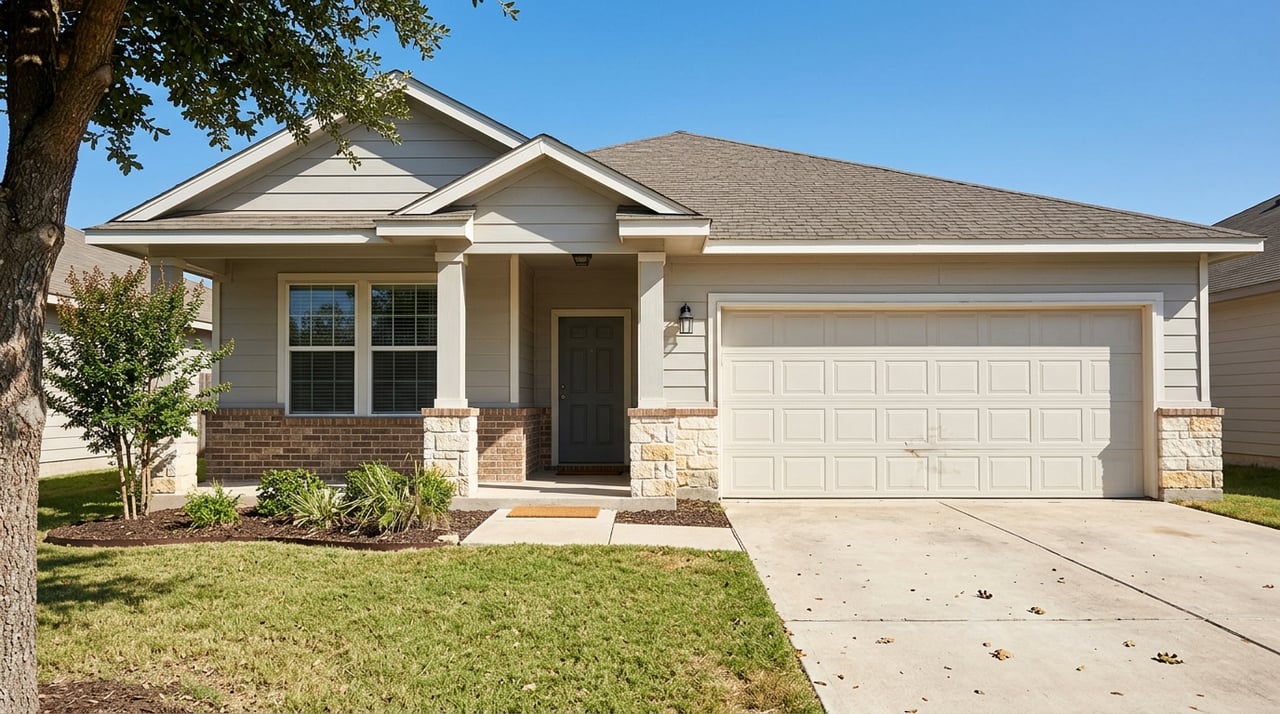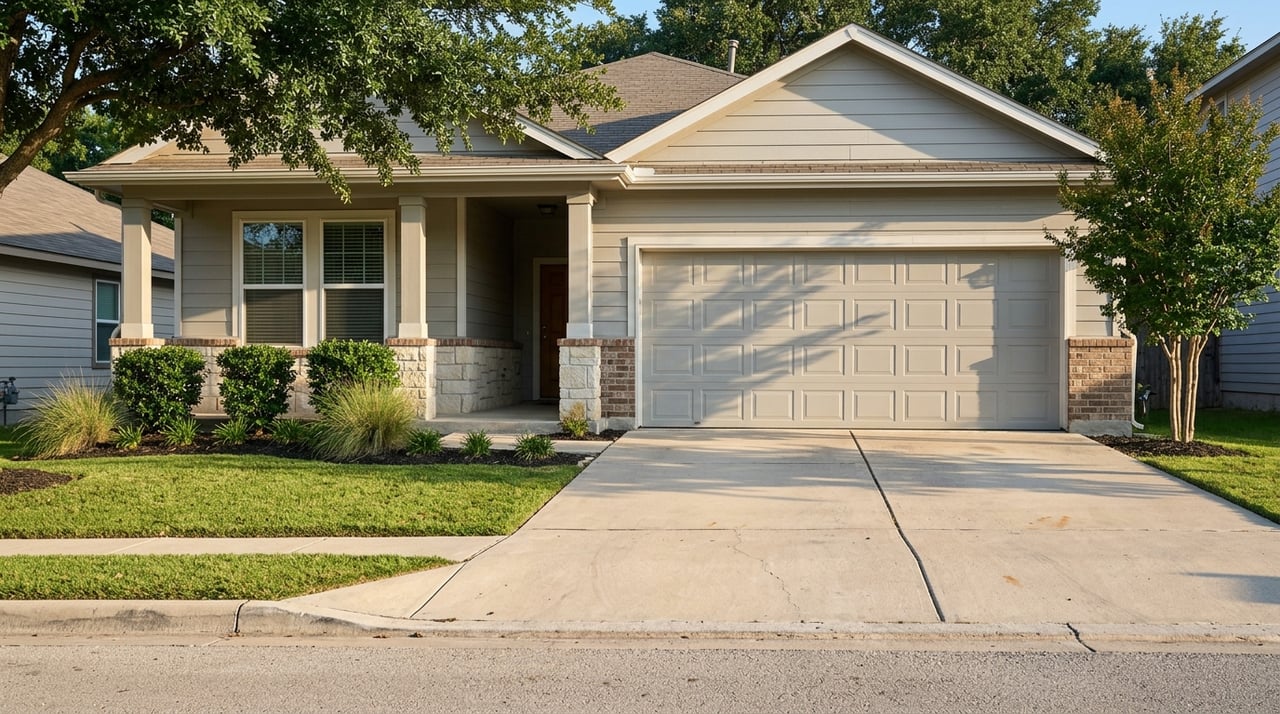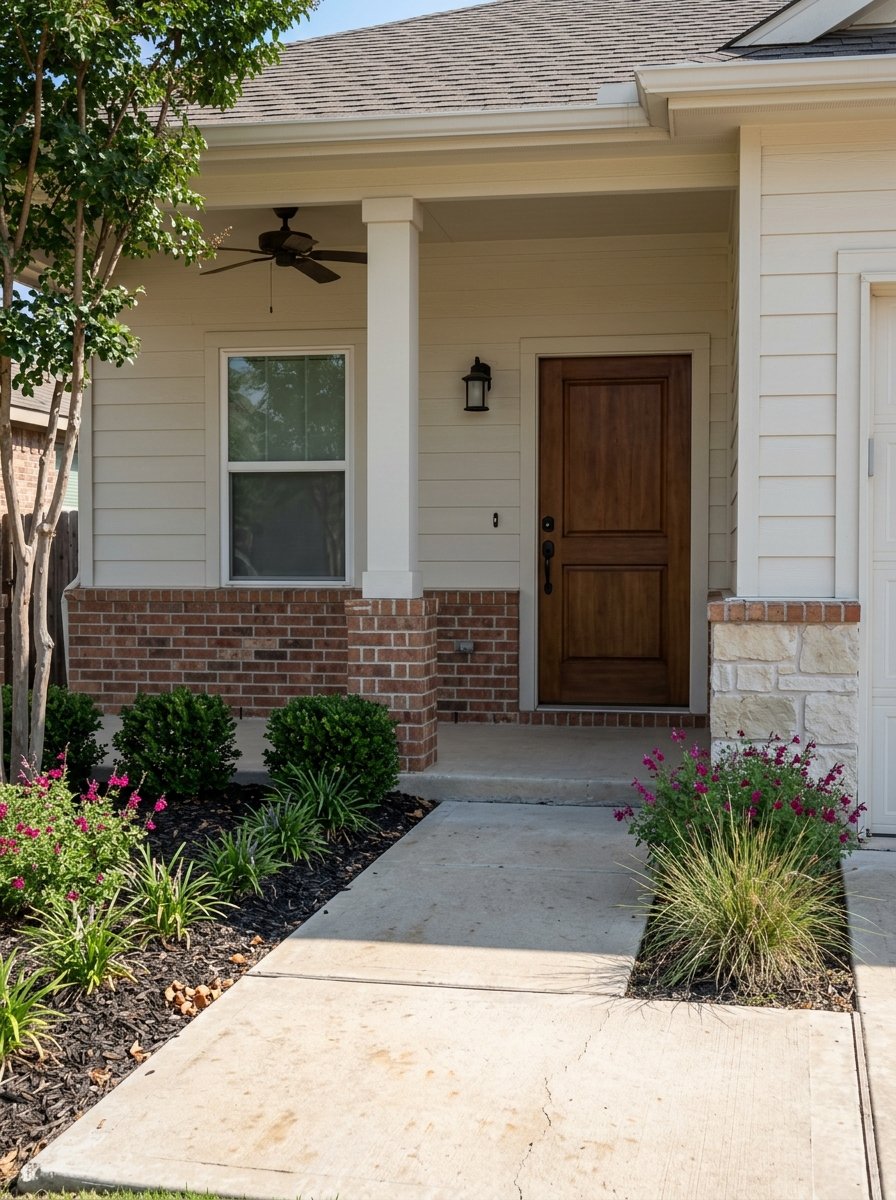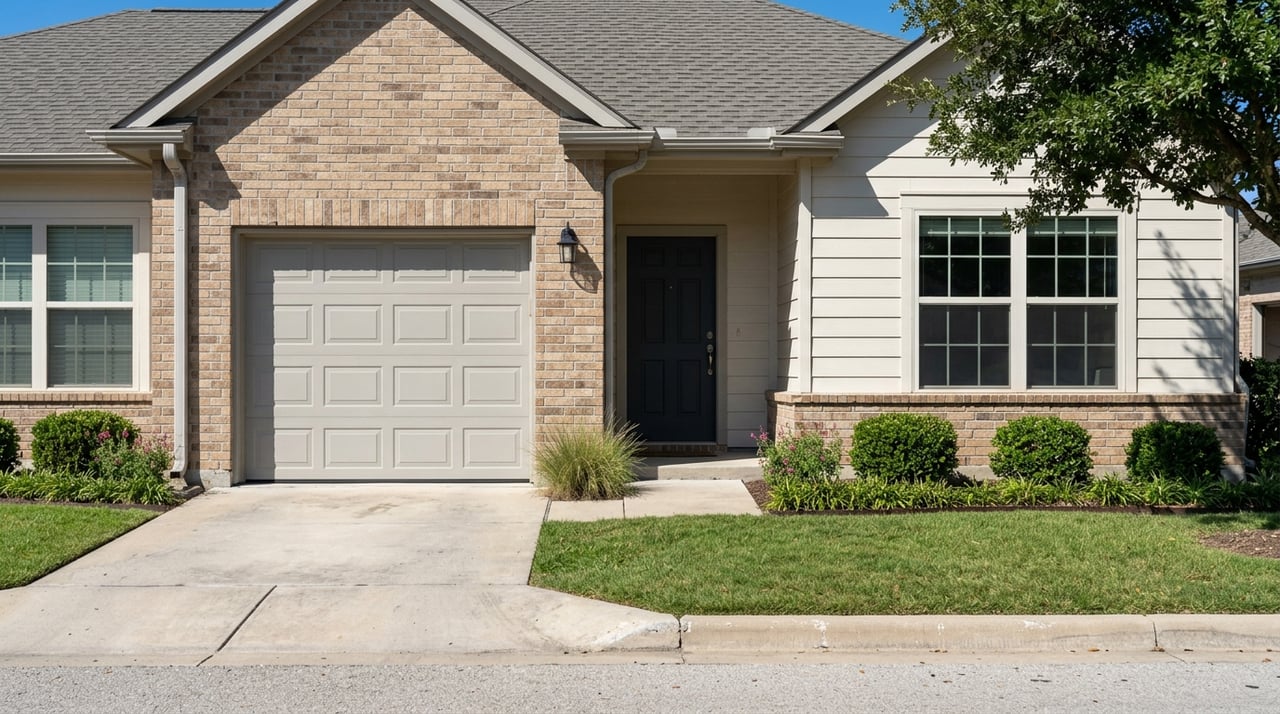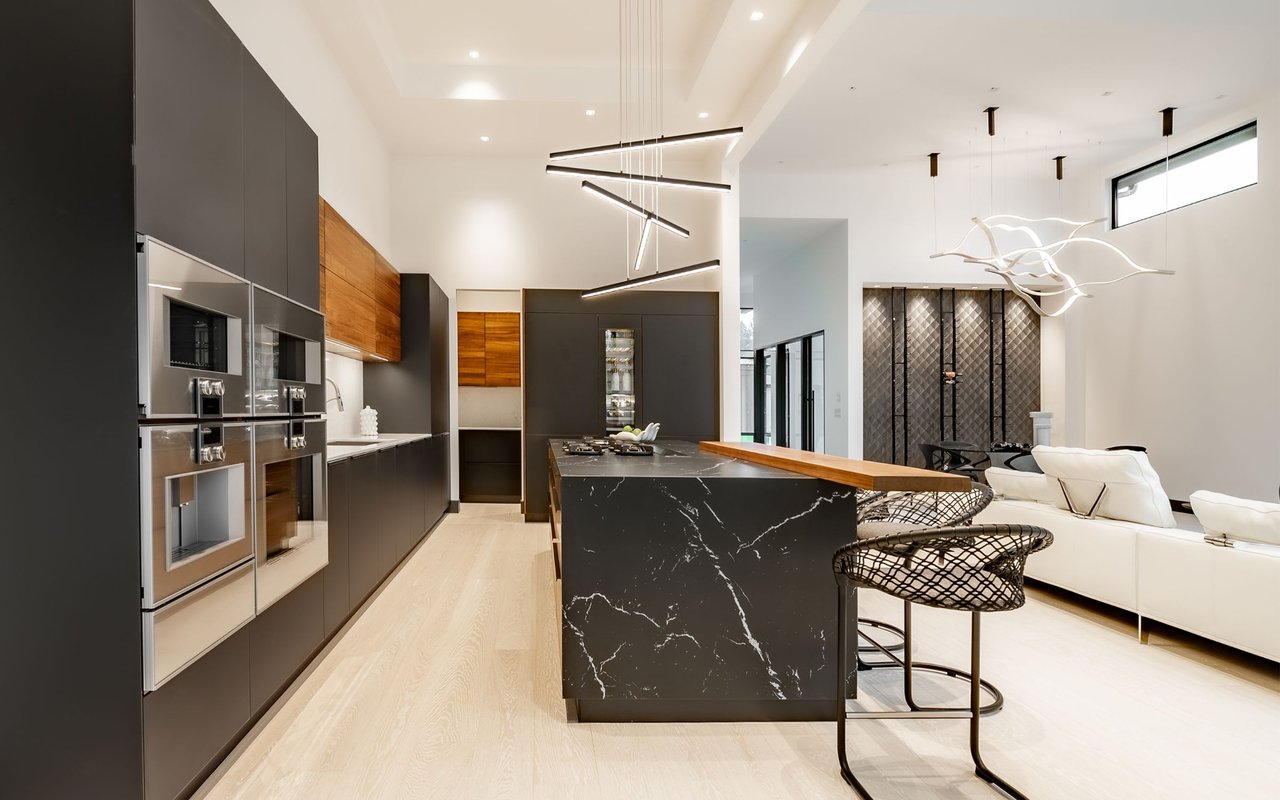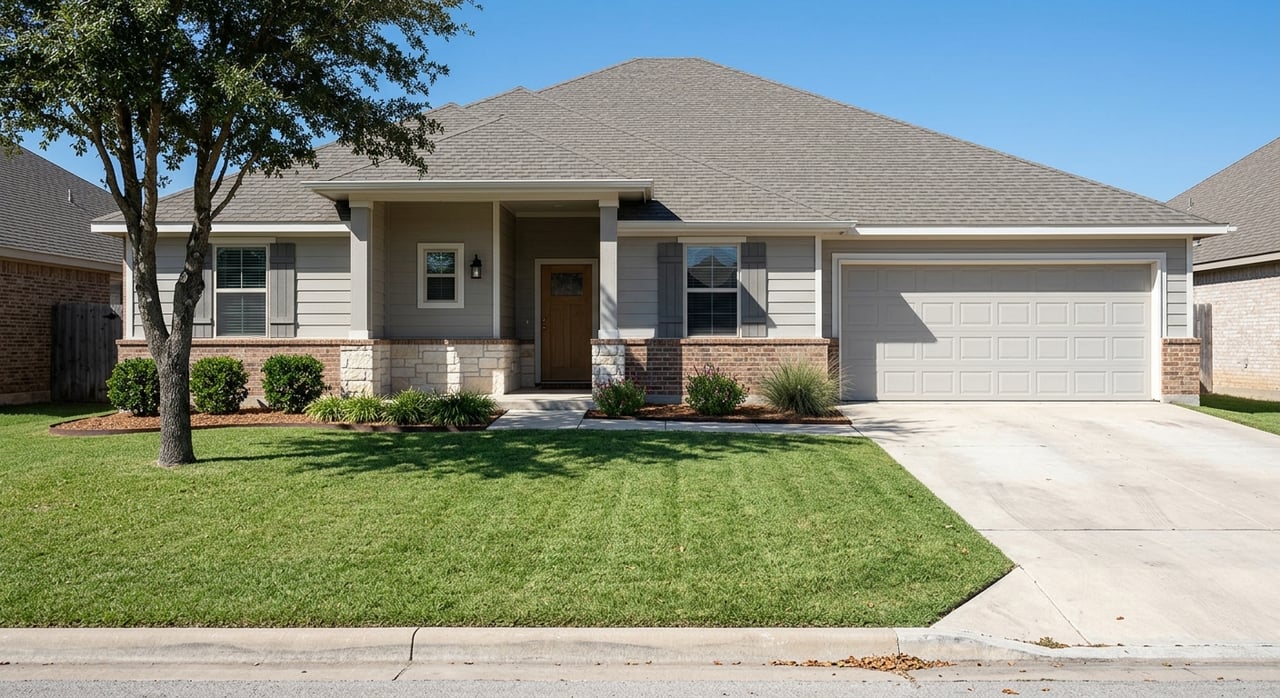
Torn between the crisp feel of a brand‑new build and the character of an established home? If you’re house hunting in Prosper, you have great options in both lanes, and the right choice comes down to cost, timing, lifestyle, and risk. In this guide, you’ll see how new construction and resale compare on price, lot size, HOA and taxes, timelines, warranties, and appraisal factors, with real Prosper examples to make it concrete. You’ll also get a quick decision checklist so you can move forward with confidence. Let’s dive in.
Market snapshot: Prosper today
Prosper sits in the upper tier of North Texas suburbs. Recent market trackers showed average values around the high $700Ks to mid $800Ks in late 2025 and early 2026. One tracker reported Prosper’s median sale price near $825,000 in February 2026 with year‑over‑year softening. Keep an eye on updates as monthly data shifts.
Price per square foot often ranges about $240 to $270 depending on neighborhood and home size. Use that band as a starting point to compare a specific new build’s asking price and options against closed resale comps nearby. Always lean on the most recent sold data in the same area when you’re ready to write an offer.
New construction in Prosper: what to expect
Communities and amenities
Prosper’s new builds cluster in large master‑planned communities and boutique subdivisions with robust amenities. A few examples:
- Windsong Ranch highlights resort‑style features such as a large clubhouse, multiple pools, fitness, miles of trails, greenbelts, and an engineered crystal lagoon. The community notes single‑family HOA around $210 per month (billed quarterly) and markets no MUD in its FAQ. You can confirm specifics in Windsong Ranch’s community FAQ.
- Star Trail offers multiple product lines across 55 to 76 foot lots, with community amenities such as a clubhouse and pools. Published pages have shown HOA dues in the ballpark of about $1,520 per year in certain sections. Actual figures vary by builder section and phase.
- Legacy Gardens features larger 76 foot lot products and a boutique, amenity‑driven feel.
- In nearby Prosper/Celina borders, communities such as Light Farms and Mosaic show a range of products from attached townhomes to 60–70 foot single‑family lots. Townhome HOAs that include exterior maintenance typically run higher than single‑family dues.
Lots and outdoor living
Lot choices span from narrower 40–50 foot products to common 55–76 foot lots and select estate sections over 80 feet wide. If you want space for a pool or outdoor kitchen, focus on the plan’s buildable area and the lot’s actual dimensions rather than just lot width. Communities like Windsong and Star Trail publish lot tables, which help you compare options before you tour.
HOA, taxes, PID and MUD
Amenities are a big draw, but they affect monthly costs. For example, Windsong Ranch’s FAQ shows a single‑family HOA around $210 per month and notes no MUD, with a combined tax rate example near 1.98 percent for its Denton County portion. Always verify whether a specific lot has a Public Improvement District (PID) or Municipal Utility District (MUD) assessment, since those charges can change your effective monthly payment. Community FAQs and your title disclosures will spell this out. The Windsong FAQ is a good model for how communities present these details.
Build and move‑in timelines
Timelines vary by product type:
- Quick‑move‑in spec homes: ready now or within 60–120 days in many cases.
- To‑be‑built production plans: often 6–10 months depending on phase and permitting.
- Custom builds: commonly 12–18 months or more.
National data summarized by lenders places single‑family build times in the 7–11 month range on average. For local context, you can also review Prosper’s permit archives to see issue and expiration windows by phase. If you must move in within 1–3 months, resale or a finished spec home is usually the better route.
Resale homes: strengths and tradeoffs
Resale listings in established Prosper neighborhoods can offer strong value per square foot, quick move‑in, and mature streetscapes. You might also find larger or unique lots that are rare in current phases of newer communities. On the flip side, older mechanicals and finishes can add near‑term maintenance or update costs, and energy efficiency may lag new code‑built homes. Your inspection and a realistic upgrade plan are key to getting the value you expect.
Total monthly cost: how to compare
Sticker price doesn’t tell the whole story. Build an effective monthly comparison for any two homes you’re considering.
Include:
- Mortgage principal and interest at your expected rate. For new builds, model scenarios with and without a builder buydown. Many builders use incentives to lower the payment rather than cut base price. See a clear overview of why builders offer rate buydowns and incentives and discuss current options with your lender.
- Property taxes using the exact taxing entities for that lot. Community FAQs sometimes publish combined rates. Windsong’s materials offer a working example for its Denton County portion.
- HOA dues and any PID or MUD assessments. Some master‑planned communities have no MUD, others do, and some lots carry PID assessments.
- Estimated utilities, maintenance and a small monthly reserve for repairs or replacements. New homes should have lower near‑term maintenance, while resales may need updates sooner.
Tip: If a builder offers a temporary 2‑1 buydown, ask your lender to show the first‑year, second‑year and final payment so you understand the step‑up. Compare that path to a permanent rate reduction or closing‑cost credit.
Warranties, inspections and buyer protections
Most production and semi‑custom builders provide a version of the standard 1‑2‑10 builder warranty: 1 year workmanship, 2 years systems, and 10 years structural. Ask for the full warranty booklet before signing, confirm who administers the structural coverage, and review exclusions and transfer rules.
Even with a new build, plan on independent new construction inspections. Schedule at least two: pre‑drywall/rough‑in and a final inspection before closing. Punch‑list diligence protects your investment and helps the builder deliver a complete product.
For contracts, have your Realtor review timelines, permissible builder changes, option pricing, financing contingencies, and how upgrades and lot premiums could affect appraisal.
Appraisals and financing details
Appraisals compare contract price to recent closed sales. New builds with large upgrade packages or premium lots can face appraisal gaps. If the appraisal comes in low, you may need concessions or a different financing approach. Builders often prefer to use incentives that reduce your monthly payment instead of lowering the base price. This is one reason it helps to understand how and why builders structure incentives before you finalize options.
Who should choose what
Resale or quick‑move buyers
If you need to occupy within 1–3 months, focus on resale or completed spec inventory in Prosper or close‑by neighborhoods. Verify recent closed comps near the property and budget for any immediate updates.
Amenity and lifestyle seekers
If you want extensive amenities and community programming, look at master‑planned options such as Windsong Ranch or Star Trail. Review HOA services, programming calendars, and total monthly costs. Windsong’s single‑family HOA example of about $210 per month is a useful reference point, but actual dues vary by product type and phase. You can confirm details in the Windsong Ranch FAQ.
Lot and customization priority
If your must‑haves include an estate‑sized lot, custom finishes, or space planned for a future pool or accessory building, look at communities with larger product lines such as Legacy Gardens or a true custom path. Plan for a longer timeline and more detailed contract management, and verify the builder’s warranty program early.
Value and long‑term holders
If you want potential value per square foot today and are open to updates, an established Prosper resale may fit. Long‑term fundamentals in North Texas are supported by regional job growth fundamentals and the area’s continued development. Weigh location, commute routes, and proximity to new retail or infrastructure when modeling future resale.
Quick comparison checklist
Use this side‑by‑side filter on two properties you like.
- Payment: Compare mortgage payment at your rate, including any builder buydown scenario, plus taxes, HOA, and any PID/MUD assessments.
- Lot and orientation: Confirm actual lot dimensions, buildable area, drainage, sun exposure and nearby planned roads or commercial.
- Warranty: Get the full 1‑2‑10 or equivalent warranty document, who insures structural coverage, and how to file claims.
- Timeline: For new builds, validate the construction schedule and review permits. You can cross‑check phase timing in Prosper’s permit archives.
- Comps: Compare to closed sales within the same attendance zone and nearby streets. If your new build includes significant upgrades, ask the builder for comparable closed sales with similar options or rate incentives to manage appraisal risk.
Next steps
You do not have to choose between speed, value, and lifestyle. With a clear monthly cost comparison, a handle on timelines, and a smart plan for warranties and appraisals, you can buy the Prosper home that fits your life now and for years to come. If you want help pressure‑testing options in Windsong Ranch, Star Trail, Legacy Gardens, or established Prosper neighborhoods, let’s talk. Schedule your visit and get a local, data‑driven plan with Baker Realty Group.
FAQs
How long does it take to build a home in Prosper?
- National data summarized by lenders shows single‑family build times around 7–11 months on average, with production builds typically faster than custom. Local timelines vary by phase and permitting.
What are typical HOA dues and taxes in Prosper master‑planned communities?
- Dues and tax rates vary by community and product type. As an example, Windsong Ranch’s FAQ notes single‑family HOA around $210 per month and no MUD, with a combined tax rate example near 1.98 percent for its Denton County portion. Always verify for the specific lot using community documents and your title disclosures. See the Windsong Ranch FAQ for a model of how details are published.
Do I need an inspection on a new construction home?
- Yes. Plan for independent inspections at pre‑drywall/rough‑in and at final. Builders do orientations, but third‑party inspections help catch punch‑list and installation issues. Learn more about new construction inspections.
How do PID or MUD assessments affect my payment?
- PID or MUD assessments are separate line items tied to certain developments and can raise your effective monthly cost. Some communities advertise no MUD, while others include assessments. Confirm the presence and amount for the exact lot in the community FAQ and your title disclosures.
What warranty comes with a new build?
- Many builders offer a version of the 1‑2‑10 warranty: 1 year workmanship, 2 years systems, and 10 years structural. Ask for the full booklet, who administers structural coverage, and how claims work. Review the 1‑2‑10 warranty basics.
How can I check a builder’s timeline and permits in Prosper?
- Ask the builder for the construction schedule and permit status, and cross‑check phase activity in Prosper’s permit archives. Ready‑now spec homes can often close within 30–45 days, while to‑be‑built plans take longer.