Thinking about Celina or Prosper for your next move? You are not alone. These neighboring Collin County communities are two of North Texas’s fastest-growing places, each offering a distinct lifestyle, commute, and housing feel. In this guide, you’ll compare homes, amenities, schools, taxes and fees, and the practical steps to make a confident decision. Let’s dive in.
Location and growth
Both Celina and Prosper sit in northern Collin County within the Dallas–Fort Worth metro. Prosper is generally closer to the Dallas North Tollway and the Frisco and Plano employment corridors, while Celina is a bit farther north with more exurban character. This distance difference often influences commute times and neighborhood vibe.
Growth has been rapid in both cities as Collin County continues to expand. For big-picture trends and population context, review high-level data from the U.S. Census Bureau and city planning updates from the City of Celina and the Town of Prosper.
Homes and affordability
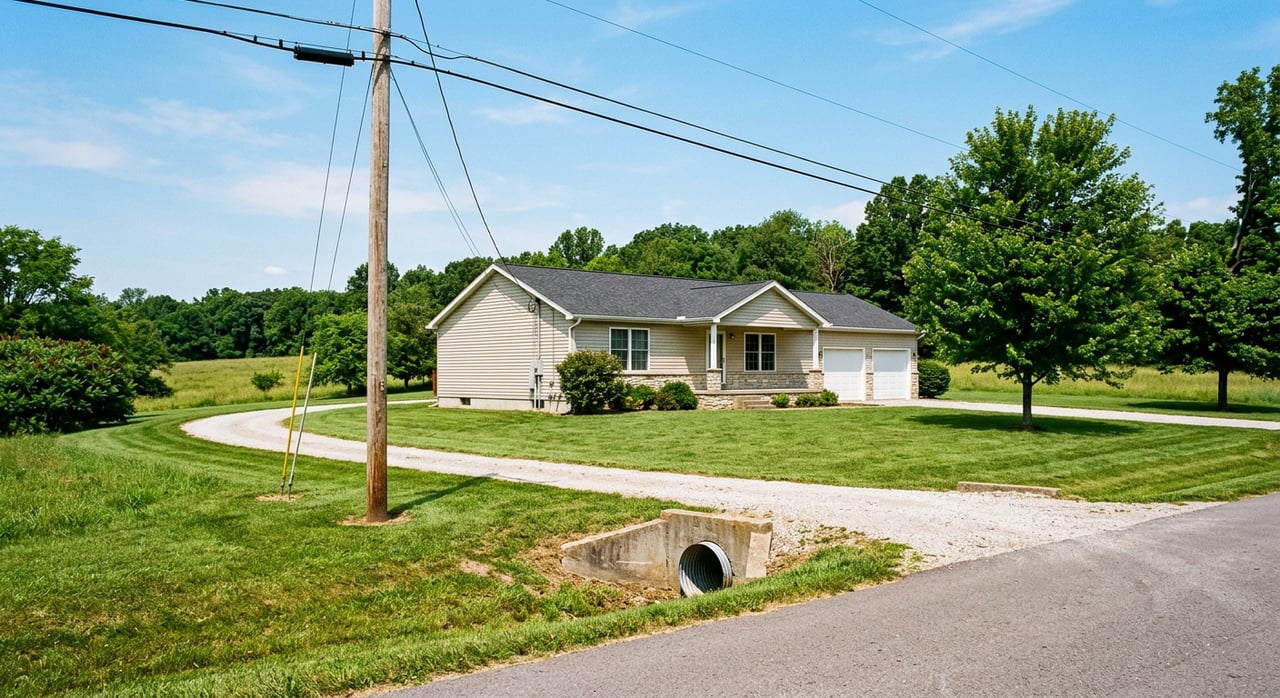
You will find different housing flavors in each city. Celina offers more large-lot and acreage options alongside new master-planned communities. Many buyers choose Celina for a rural or semi-rural feel with room to spread out.
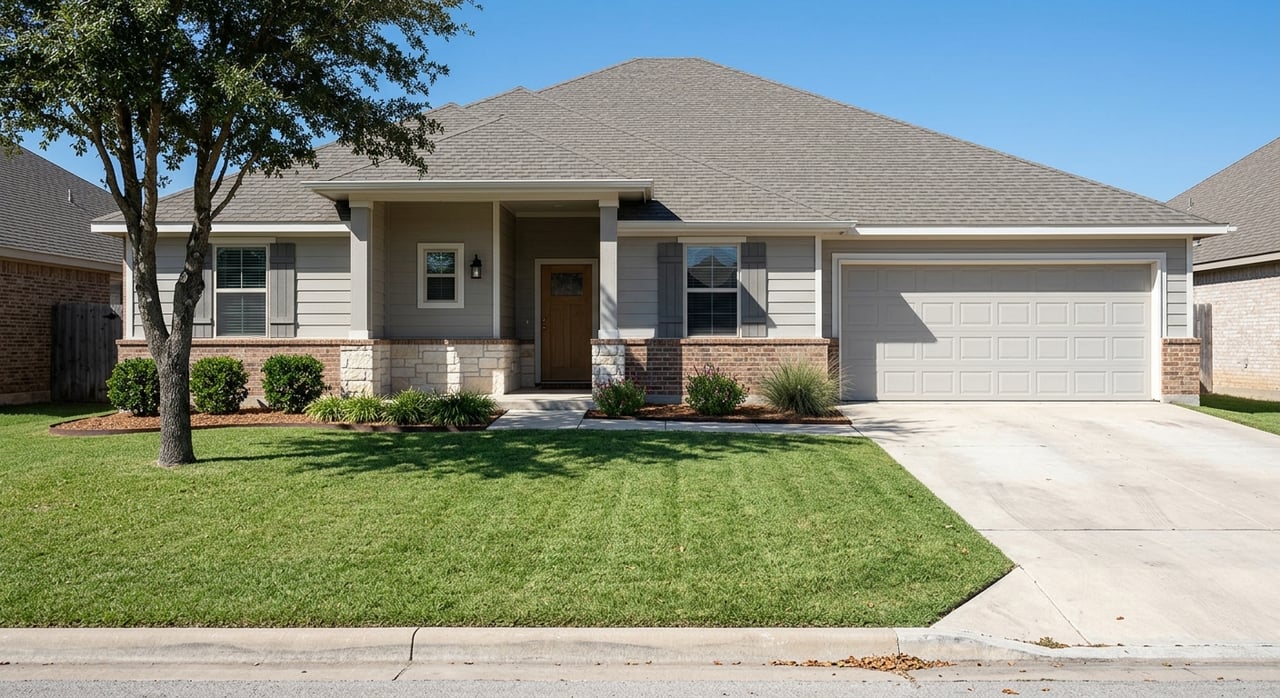
Prosper leans into amenity-rich master-planned neighborhoods with lakes, trails, and community programming. Lot sizes can be smaller on average than Celina’s rural tracts, but neighborhood amenities and proximity to Frisco and Plano are strong draws.
When comparing budgets, remember that each subdivision’s mix of new construction and resale homes can shift quickly. Market prices move with demand. A smart approach is to use current, date-stamped MLS data for median prices and days on market and to compare builder incentives on new homes with resale pricing before you commit.
Lifestyle and amenities
Celina keeps a small-town feel in parts of its historic square, and many neighborhoods are evolving with new retail and restaurants. If you like a little more elbow room and a quieter setting, Celina may feel just right.
Prosper’s identity is closely tied to large, planned neighborhoods and community amenities. With Prosper closer to the Tollway and Frisco’s retail and entertainment, you have quick access to shopping, dining, and regional services.
For both cities, major hospitals and regional retail hubs are nearby in Frisco, McKinney, and Plano. Local parks and trail systems continue to grow as neighborhoods open and mature.
Schools and zoning basics
Celina is primarily served by Celina ISD. Prosper is primarily served by Prosper ISD. Both districts are opening new campuses as they grow.
School attendance zones can change with new development. Before you write an offer, confirm the current assignment with the district and review official performance information using the Texas Education Agency’s school accountability portal. If schools are a major factor for your move, ask your agent to pull campus-level details and timing for planned rezoning.
Commute and transportation
Key roads include U.S. 380 for east-west travel and the Dallas North Tollway corridor to the south. Prosper is closer to the Tollway and Frisco, so commutes to many employment centers are often shorter than from Celina by roughly 10 to 15 miles.
This is a car-centric area with limited public transit. Peak-hour congestion along U.S. 380 and connector roads can add time, so test-drive your route during the hours you plan to travel. Also ask about upcoming road projects on city and county sites that could affect future commute times.
Property taxes, MUDs, and HOAs
In Texas, property taxes combine several entities. Your effective rate may include city, county, school district, and possibly a Municipal Utility District. Many master-planned communities also have HOA dues. In Collin County suburbs, effective rates often run above 1.8 percent and can exceed 2 percent depending on the area.
To estimate your monthly costs accurately, verify the property’s tax entities and rates with the Collin County Appraisal District and the county’s Tax Assessor-Collector. If the home is in a MUD, review the district’s disclosures and any bond debt that affects your bill.
Risks and due diligence
Flood and drainage: Some properties are in FEMA-designated floodplains. Always run a floodplain check on the exact lot and consult the FEMA Flood Map Service Center. Flood insurance needs are property-specific.
Utilities: Newer subdivisions are typically on municipal or MUD water and sewer. Some rural Celina properties may have wells or septic systems. If so, inspect those systems and confirm maintenance needs.
Restrictions and zoning: Celina has a history of larger-lot and agricultural zoning options. Prosper is more suburban and can have tighter deed restrictions. Review city codes and each subdivision’s covenants before you finalize your plans.
On-site checklist and questions
Use this quick list to compare neighborhoods and individual homes:
- Drive your commute during peak hours and a weekend mid-day.
- Walk the block at dusk to observe lighting, traffic, and noise.
- Ask about tax entities, MUD status, HOA dues, and transfer fees.
- Confirm utility providers and whether the home uses municipal service or well/septic.
- Pull a floodplain determination and ask about drainage improvements.
- Verify current school assignment and planned rezonings with the district.
- For new builds, compare builder incentives with resale pricing and factor in lot premiums and structural or landscape upgrades.
- For acreage, review survey, access easements, soil conditions, and septic suitability if applicable.
Which town fits your move?
Choose Celina if you want larger lots, a rural or semi-rural feel, and you are comfortable with a slightly longer drive to some job centers. You may prefer the space that comes with acreage, the flexibility of certain rural zoning options, and a quieter setting.
Choose Prosper if you want closer access to the Tollway and the Frisco corridor, amenity-rich master-planned neighborhoods, and a more established suburban retail base. You may value neighborhood programming, pools and trails, and a shorter daily commute.
Tips for sellers
If you are selling in an area with active new construction, price and presentation matter. New builds often come with incentives that compete with resales. In Prosper’s master-planned neighborhoods, emphasize condition, turnkey features, and community amenities.
If you are selling acreage or a custom home in Celina, highlight what buyers cannot easily get in a production subdivision. Showcase lot size, utility setup, outbuildings, fencing, and any improvements such as drainage work or irrigation.
How we can help
Every neighborhood and property is different. A clear plan, current MLS data, and local insight will save you time and money. If you are weighing Celina vs. Prosper, we can help you compare homes, taxes, schools, and commutes side by side, then guide you through a smooth sale or purchase.
Ready to explore? Connect with Baker Realty Group to schedule a free consultation and get a personalized market brief for your move.
FAQs
How do Celina and Prosper compare on schools?
- Both cities are primarily served by Celina ISD and Prosper ISD; use the TEA’s school accountability portal and confirm current attendance zones with each district.
What commute differences should I expect between Celina and Prosper?
- Prosper is generally closer to the Tollway and Frisco/Plano job centers, so commutes are often shorter from Prosper; test-drive routes at peak times to be sure.
What taxes and fees affect my monthly payment in Collin County suburbs?
- Expect city, county, school district, and possibly MUD taxes, plus HOA dues; verify the exact entities and rates with the Collin County Appraisal District and the county Tax Assessor-Collector.
Are flood risks common in Celina or Prosper?
- Flood risk varies by lot; some subdivisions include floodplain areas, so pull a property-specific check through the FEMA Flood Map Service Center.
Where can I find current home prices and days on market?
- Ask your agent for a date-stamped MLS report for your target neighborhoods; compare that with builder incentives if you are also considering new construction.
Which area is better for acreage or horse properties?
- Celina more commonly offers true acreage and rural zoning options, but verify restrictions and utility setup for each property with the city and subdivision.
How do HOAs and MUDs impact ownership in master-planned communities?
- HOAs add dues and rules for neighborhood standards, while MUDs levy a tax to fund infrastructure; both can materially affect monthly carrying costs and should be confirmed up front.