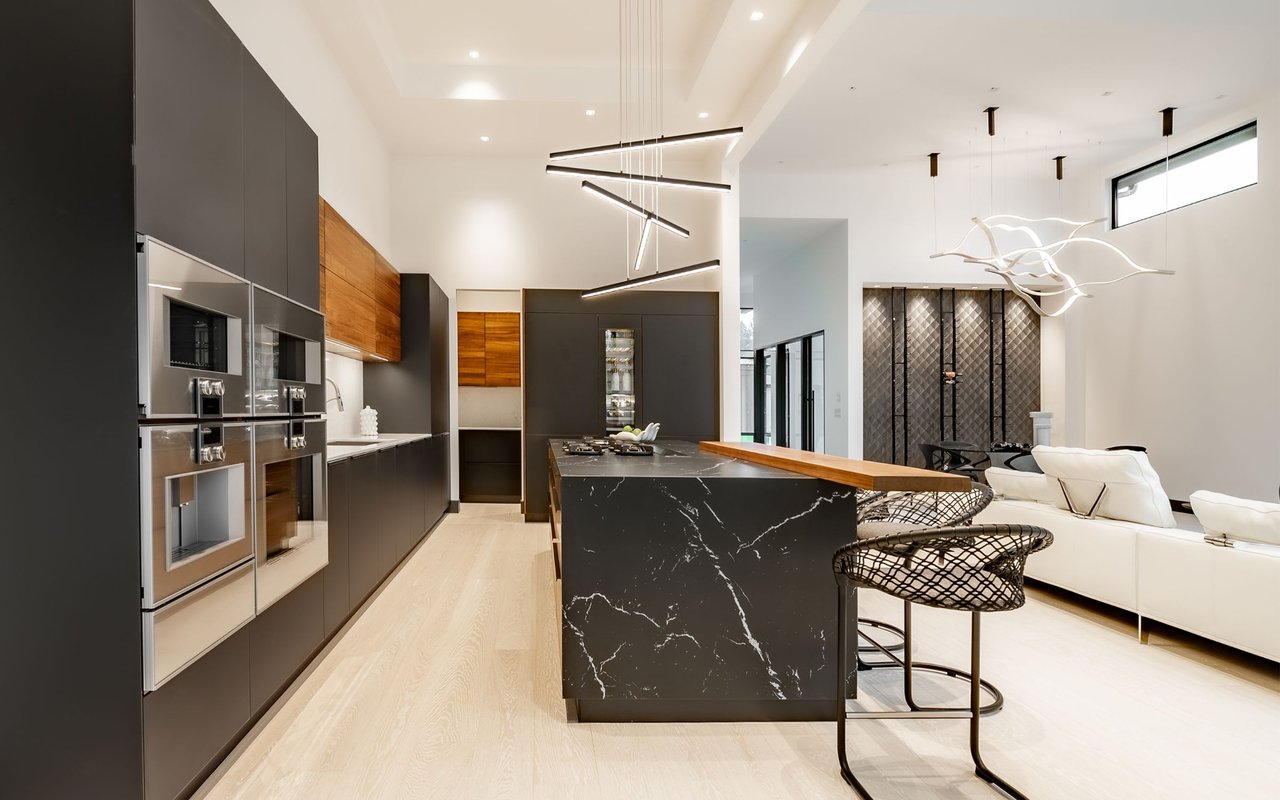
Thinking about updating a kitchen, reworking a bathroom, or adding square footage to your home in The Colony? The permit process can feel confusing, especially with new codes taking effect in 2025. You want to do it right, avoid fines, and keep your project moving. In this guide, you’ll learn what needs a permit, how the process works, what to submit, how inspections are scheduled, and the most common pitfalls to avoid. Let’s dive in.
Codes in effect for The Colony
The Colony has adopted the 2024 ICC family of codes and the 2023 National Electrical Code with an effective date of July 17, 2025. These codes set minimum standards for safety, structure, fire protection, mechanical, plumbing, electrical, and energy efficiency. Always confirm the final ordinance text and any local amendments with the City of The Colony Building Inspections office before you submit.
What this means for you:
- Energy and envelope. Newer energy codes often raise the bar for insulation, air sealing, ventilation, and mechanical efficiency. If your project touches exterior walls, windows, HVAC, or other parts of the conditioned envelope, you will likely need energy compliance documentation, such as REScheck or a local equivalent.
- Electrical upgrades. The 2023 NEC clarifies requirements for EV charging, energy storage systems, and solar interconnections. If you are adding an EV charger or similar systems, plan for updated wiring, grounding, and dedicated clearances.
- Local amendments. Cities often adjust model codes for local conditions. Check The Colony’s amendments so your drawings match what the city reviewers expect.
Do you need a permit?
Most remodels in The Colony will require one or more permits, issued by the City’s Building Inspections office. Typical permits include:
- Building permit for structural changes, additions, and substantial interior remodels
- Electrical permit for new circuits, panel work, or EV chargers
- Plumbing permit for new or relocated fixtures and gas lines
- Mechanical permit for new or replaced HVAC equipment and ductwork
- Water heater or gas appliance permit for replacements
- Reroof or exterior work permits
- Pool permits for new pools or major changes
- Demolition permit if removing structures
If you are not sure which permits apply, clarify your scope first. Simple cosmetic work like painting or replacing like-for-like finishes often does not require permits. Structural changes, moving walls, rerouting plumbing or electrical, and any addition almost always do.
How the permitting process works
The City’s process follows a familiar path: pre-application planning, submittal, plan review, permit issuance, inspections, and final closeout.
- Pre-submittal. Verify ownership, review HOA rules, and get a current survey or site plan. Confirm whether your scope is a repair, remodel, or addition. Engage licensed design pros when structural, electrical, or mechanical work is included.
- Submittal. Provide a complete application with plans and supporting documents. Incomplete packages are the most common cause of delays.
- Plan review. Timelines vary by complexity and workload. Many simple interior remodels are reviewed in a few business days to about two weeks. Additions or engineered work often take 2 to 4 or more weeks, plus time for any resubmittals.
- Fees. The city typically charges plan review and permit fees based on valuation and other factors. These are paid at submittal or permit issuance.
- Permit issuance. Once plans are approved and fees are paid, you can start work.
- Inspections. Schedule inspections at key stages. Keep approved plans and permit documents on site.
Inspections to expect
Your project’s specifics will drive which inspections apply, but these are common:
- Footing and foundation before concrete
- Under slab plumbing or electrical where applicable
- Rough-in plumbing, electrical, and mechanical before insulation and drywall
- Framing, including bracing and fireblocking
- Insulation and air barrier for energy code compliance
- Gas piping pressure test if gas work is included
- Final inspections for building, electrical, plumbing, and mechanical
- Specialty inspections for items like pools or backflow prevention
For typical remodels without a change in use, a Certificate of Occupancy is often not required, but you still need final approvals to close out the permit.
What to include with your application
Providing a complete package helps you avoid extra review cycles. While exact forms vary, most residential remodel applications include:
- Completed permit application with owner and contractor information, scope, and valuation
- Proof of ownership or agent authorization if a contractor files on your behalf
- Contractor registration or licensing and insurance, as required by the city
- Current survey or site plan showing property lines, setbacks, easements, and structures
- Floor plans showing existing and proposed layouts, dimensions, room uses, and openings
- Clear scope of work narrative for demolition, structural work, and all trades
- Code compliance statements noting the code editions in use
- Energy compliance documentation when the envelope or conditioned space is affected
- Structural calculations and engineered drawings for additions or structural changes
- Framing plans, foundation details, and connection details to existing structure
- Mechanical plans, including equipment sizing, location, and duct routing
- Plumbing risers, fixture counts, and gas piping layout if applicable
- Electrical diagrams and panel schedules with load calculations for new circuits or equipment
- Gas appliance data and gas line sizing if relevant
- Stormwater or drainage plans if you are increasing impervious cover or modifying drainage
- HOA approval letter if your HOA requires pre-approval
Kitchen checklist
- Floor plan with appliance locations, clearances, and venting for the range and hood
- Electrical plan for small appliance circuits, dedicated circuits for range or oven, microwave, disposal, dishwasher, and GFCI protection
- Gas line sizing and appliance specs if installing a gas range
- Framing details if you are removing or altering a load-bearing wall
Bathroom checklist
- Floor plan showing fixture locations and clearances
- Plumbing risers for new or relocated fixtures, with venting and trap details
- Ventilation plan with fan location and duct run for moisture control
- Electrical plan showing GFCI locations, lighting, and switches
- Accessibility or curb details if you are updating shower thresholds
Addition checklist
- Full structural set: foundation plans, framing, roof plans, and connections to the existing home
- Structural calculations prepared or sealed by a licensed engineer when required
- Site plan showing the addition footprint, setbacks, utilities, and easements
- Energy compliance documentation for the new conditioned space
- Utility service impacts, such as electrical service upgrades
HOA, utilities, and other approvals
Remember that city permits and HOA approvals are separate. Many HOAs require Architectural Review Board approval for exterior changes such as additions, roof updates, paints, fences, landscaping, and pools. Typical HOA review timelines run 2 to 4 weeks, sometimes longer. Get written approval before starting work to avoid enforcement actions.
You may also need to coordinate with:
- Electric utility for service upgrades or EV charger connections
- Water and sewer providers for meter relocations or backflow prevention
- City Engineering or Stormwater for drainage changes, increased impervious cover, or work near easements
- Denton County if your property has a septic system, a well, or if lot combinations are planned
- Floodplain administrators if you are in a FEMA flood zone
- Historic or conservation bodies if your property falls in those overlays
Avoid delays, fines, and rework
The most common issues are easy to prevent:
- Do not start work before permits are issued. Starting early can trigger stop work orders, fines, and rework.
- Submit a complete package. Missing energy documentation, structural details, or contractor information slows reviews.
- Get HOA approval when required. Proceeding without it can lead to covenant enforcement or forced changes.
- Hire licensed and insured contractors. This protects you and helps the city verify trade work.
- Respect setbacks, drainage, and easements. Building in the wrong place can mean tearing out work and starting over.
Best practices for a smooth project
- Plan early. Get a current survey, read your HOA rules, and talk with The Colony Building Inspections team about your concept before finalizing drawings.
- Use qualified professionals. Architects, engineers, and licensed contractors reduce risk and help you get approval faster.
- Prepare for the code change. The 2024 ICC codes and 2023 NEC take effect July 17, 2025. If you plan to submit or build near that date, ask the city which code cycle applies and how transitions are handled.
- Put approvals in writing. Keep HOA decisions, contracts, and change orders organized.
- Schedule inspections promptly. Avoid gaps between stages so your project stays on track.
- Keep permit documents on site. Inspectors need to review your approved plans during visits.
Sample remodel timeline
Your project will have its own pace, but this framework helps with planning:
- Pre-application and HOA review: 1 to 6 weeks, often overlapping with design
- Design and drawings: 1 to 6 weeks depending on scope and professionals engaged
- City submittal and initial plan review: 1 to 4 weeks for simple to moderate projects; longer for additions or engineering reviews
- Corrections and resubmittal: add 1 to 3 weeks per review round if needed
- Permit issuance: after approvals and fee payment
- Construction: varies by scope, with inspections throughout
- Final inspection and closeout: upon completion
Practical items to verify with The Colony
Before you submit, confirm the following with the City of The Colony Building Inspections office:
- Exact adopted code versions, ordinance text, and any local amendments
- Required application forms and online portal access
- Current plan review timelines and any expedited options
- Fee schedule and how valuation affects costs
- Energy compliance documentation format the city requires
- Contractor registration and licensing requirements
- Any special inspections such as blower door tests or erosion controls
Resources and contacts
- City of The Colony — Building Inspections or Permitting and Development Services
- International Code Council — ICC model codes and summaries
- NFPA — NEC 2023 electrical requirements
- Texas Department of Licensing and Regulation — contractor licensing and consumer protections
- Denton County offices — septic, wells, surveys, and county-level permits
- Your HOA or neighborhood management company — CC&Rs and Architectural Review Board procedures
Your next steps
- Decide your scope and budget, and gather a current survey.
- Confirm HOA requirements and start that review early if needed.
- Draft clear plans and engage licensed professionals for structural, electrical, mechanical, or plumbing work.
- Call The Colony Building Inspections office to verify forms, fees, timelines, and code cycle details.
- Submit a complete package and schedule inspections promptly once your permit is issued.
If you want practical, local guidance on planning a remodel with an eye on resale, connect with a neighborhood-focused real estate team that knows North Texas. Reach out to Baker Realty Group to Schedule a Free Consultation. We’re here to help you navigate upgrades that make sense for your home and your long-term goals.
FAQs
Do kitchen remodels in The Colony need permits?
- Yes. If you are adding circuits, moving plumbing or walls, altering structure, changing HVAC, or installing a gas line, permits are typically required. Cosmetic updates alone often are not.
What inspections happen during a typical bathroom remodel?
- Expect rough-in inspections for plumbing and electrical before drywall, insulation and air barrier checks if the envelope is affected, and final building, electrical, and plumbing inspections.
How long does plan review take for a small interior remodel?
- Many simple interior remodels are reviewed in a few business days to about two weeks, depending on workload and whether corrections are needed.
When do the new building and electrical codes apply in The Colony?
- The 2024 ICC codes and 2023 NEC are effective July 17, 2025. Projects submitted or inspected around that date may need to comply with the newer codes. Confirm with the city.
Do I need HOA approval as well as a city permit?
- Often yes for exterior changes. HOA approval is separate from the city’s permit and should be secured before work begins to avoid enforcement actions.
Is a Certificate of Occupancy required for a remodel?
- For most residential remodels with no change in use, a Certificate of Occupancy is typically not required, but final inspections and permit closeout are still needed.