Thinking about moving to Frisco, TX? You are not alone. Frisco has grown quickly in recent years, and for many buyers, it stands out for its housing options, park system, regional access, and major employers. If you are planning a move from out of town, this guide will help you understand what to verify, what to budget for, and how to narrow your search with more confidence. Let’s dive in.
Why Frisco Gets Attention
Frisco continues to draw relocation buyers who want access to North Texas jobs, amenities, and newer suburban housing. The city had an estimated population of 235,208 as of July 1, 2024, which reflects 17.3% growth from the 2020 estimate base according to the U.S. Census QuickFacts for Frisco.
The city spans both Collin and Denton counties, which matters when you start comparing neighborhoods, commute routes, and local services. Frisco also highlights 1,600 acres of park land, more than 47 miles of hike and bike trails, five professional sports teams, and the PGA of America headquarters on its city profile, all of which shape the area’s appeal and day-to-day lifestyle context.
Start With Your Priorities
Before you tour homes, it helps to decide what matters most in your move. For most relocation buyers, the big categories are budget, commute, home type, and school zoning.
If you begin with those four filters, your search becomes much easier to manage. Instead of trying to evaluate every neighborhood at once, you can focus on the areas that actually fit your goals.
Define Your Budget Range
A realistic budget is one of the best starting points for a Frisco move. As of February 2026, Frisco’s median sale price was $620,000, with homes selling in about 71 days, based on the Frisco housing market data.
That places Frisco in a middle-to-upper price tier among northern suburbs. In the same period, Plano posted a median sale price of $485,000, Celina came in at $477,500, and Prosper reached $825,226.
Compare Nearby Cities
If you are choosing between Frisco and nearby suburbs, a quick side-by-side view can help frame the decision.
| City | Median Sale Price | Days on Market | School District Context |
|---|---|---|---|
| Frisco | $620,000 | 71 | Frisco ISD common, but not universal |
| Plano | $485,000 | 75 | Plano ISD |
| Celina | $477,500 | 139 | Celina ISD |
| Prosper | $825,226 | 102 | Prosper ISD |
This does not tell you which city is better for you, but it does show how Frisco fits into the broader pricing picture. If your target budget is in the high $400,000s, Plano or Celina may deserve a close look. If you want Frisco specifically, you may need to plan around that higher median price point.
Know Frisco Housing Types
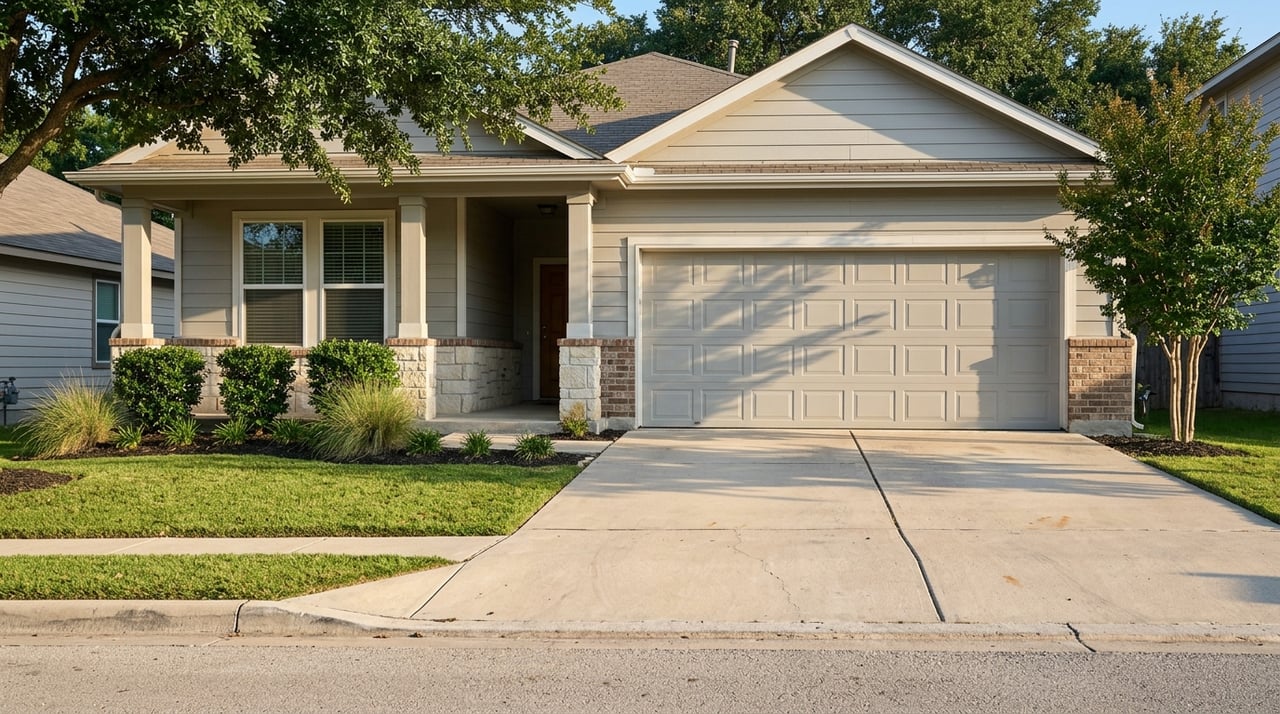
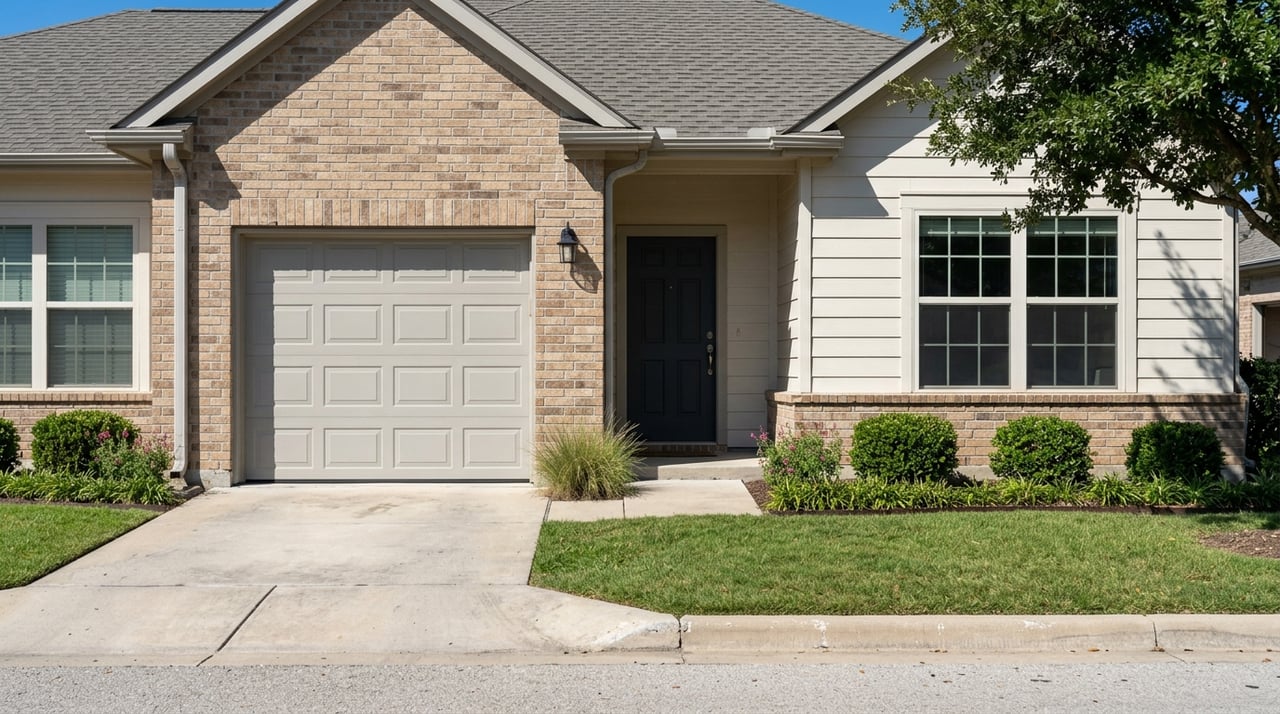
Frisco’s official long-range plan describes its suburban neighborhoods as primarily detached single-family homes, with a more limited amount of duplexes and townhomes. The city also regulates multi-family housing structures and properties, which confirms that apartment-style options exist alongside traditional for-sale homes, according to the Frisco 2040 Comprehensive Plan.
For many relocation buyers, that means Frisco offers a broad mix, but the single-family home remains the dominant format. If you are moving for more space, a yard, or a traditional suburban layout, that matches what much of the city was built to provide.
Expect HOA Review
One detail many out-of-town buyers overlook is HOA involvement. Frisco has nearly 150 active HOAs, according to the city’s Neighborhoods and HOA information.
That means HOA dues, design rules, and deed restrictions may affect a large share of the homes you consider. Before you get too far into a purchase, it is smart to review what is allowed, what fees apply, and whether the rules match how you plan to use the property.
Verify School Zoning Early
School zoning is one of the biggest relocation issues in Frisco, especially for buyers who assume every Frisco address falls inside Frisco ISD. That is not the case.
According to Frisco ISD’s new-to-district guidance, the district serves students within attendance zones in Frisco, Little Elm, McKinney, and Plano, and the district recommends using its attendance-zone tool or contacting staff when a property is near a boundary. The same guidance also notes that some Frisco areas are zoned to Prosper ISD, Lewisville ISD, and Little Elm ISD, so the exact address should always be verified before you write an offer.
District Boundaries Can Vary
This is one reason location research matters so much in Frisco. Two homes with the same city mailing address can have different school assignments, and campus assignments can shift over time as enrollment changes.
The district itself advises families to use the Frisco ISD attendance zone resources to confirm a specific property. If schools are part of your relocation decision, verify the exact address before you get emotionally attached to a home.
Understand District Scale Differences
District size can also vary widely across this part of North Texas. Frisco ISD serves more than 62,000 students across 77 campuses, while Plano ISD serves more than 46,000 students in 69 schools and 11 service facilities, Prosper ISD serves more than 33,000 students, and Celina ISD serves nearly 5,000 students over 7 campuses.
Those numbers do not tell you what your experience will be at a specific campus, but they do help explain why assignment patterns and district structure can feel very different from one city to the next. For relocation planning, that scale difference is worth understanding early.
Plan Your Commute Strategy
Frisco is a road-driven city for many residents. If your daily routine depends on fast rail access, that is important to know before you choose where to live.
The city notes that it is widening the Dallas North Tollway to eight lanes between SH 121 and US 380, and says its transportation program is designed to connect with broader regional systems across DFW, according to the city’s DNT and Dallas Parkway widening update.
Transit Is More Limited
For local public transportation, Frisco offers curb-to-curb demand-response service through DCTA within Frisco and designated portions of Plano, based on the city’s public transit page. Nearby regional rail access includes the DART Silver Line in Plano and connections to other cities and DFW Airport.
In practical terms, that means you should decide whether your move is road-based or transit-adjacent. If you expect to drive most days, many parts of Frisco may work well. If rail access matters, you may want to compare locations with easier access to Plano.
Look at the Local Employer Base
Relocation planning is not only about the house. It also helps to understand the area’s employment mix and economic anchors.
Frisco’s FY2024 Annual Comprehensive Financial Report lists Frisco ISD, the Dallas Cowboys, the City of Frisco, HCL Technologies, Keurig Dr Pepper, Baylor Scott and White/Centennial Hospital, and Collin College among the city’s largest employers, based on the FY2024 ACFR.
That points to a diverse mix of education, sports and entertainment, healthcare, government, and technology. For buyers relocating for work or long-term stability, that kind of employer range can be a useful part of the big-picture decision.
A Simple Frisco Relocation Checklist
When you are moving from out of town, it is easy to lose time chasing homes that do not fit. A simple checklist can keep your search focused.
- Set your budget using Frisco’s current market range and compare it with nearby cities
- Decide whether you want mostly road-based access or easier proximity to regional rail in Plano
- Confirm the exact school zoning for any home you are seriously considering
- Review HOA dues and restrictions before moving forward
- Narrow by home type, especially if you want a detached single-family home, townhome, or apartment-style option
How to Make the Move Smoother
A relocation move goes better when you make decisions in the right order. Start with the facts that are hardest to change later, such as budget, commute pattern, and school zoning.
After that, you can compare neighborhoods, home styles, and amenities with more clarity. This is often where local guidance makes the biggest difference, because small location details can affect your daily routine, resale potential, and overall satisfaction after the move.
If you are planning a move to Frisco or comparing it with Celina, Prosper, or Plano, Baker Realty Group can help you sort through your options, verify the details that matter, and build a clear plan for your North Texas move.
FAQs
What should you know before moving to Frisco TX?
- You should start with budget, commute style, school zoning, and HOA review, since Frisco’s median sale price, road-based access, and district boundaries can vary by address.
What is the median home price in Frisco TX?
- As of February 2026, the median sale price in Frisco was $620,000, according to the local housing market data in the research provided.
Are all homes in Frisco TX zoned to Frisco ISD?
- No. Some Frisco addresses are zoned to Frisco ISD, while others may be in Prosper ISD, Lewisville ISD, or Little Elm ISD, so each address should be verified.
How do Frisco TX home prices compare with nearby cities?
- In the research provided, Frisco’s median sale price was higher than Plano and Celina, but lower than Prosper.
Is public transit available in Frisco TX?
- Yes, but it is limited to curb-to-curb demand-response service through DCTA within Frisco and designated portions of Plano, with nearby regional rail access available in Plano.